
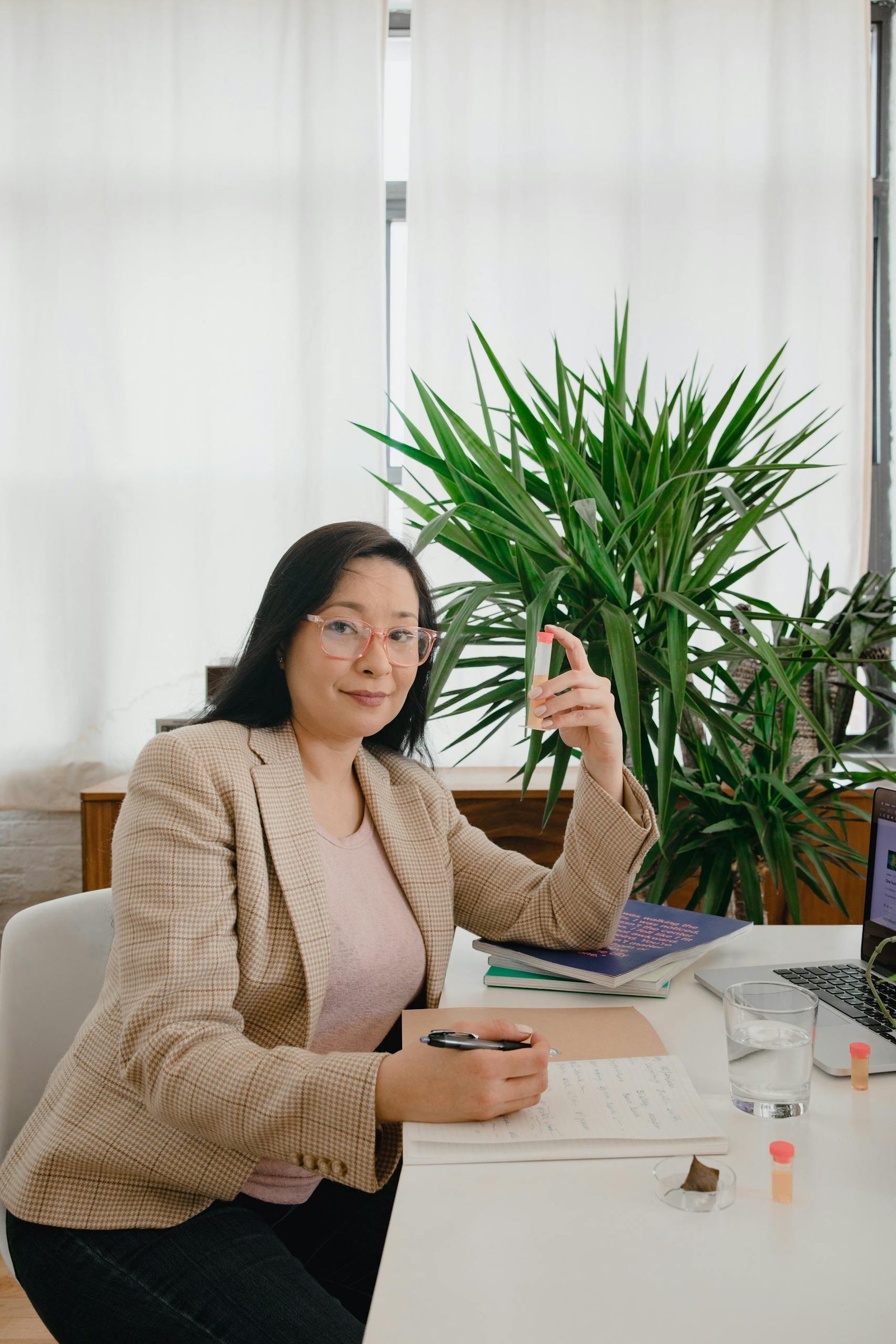
Self-Care with Homeopathy vs. Seeing a Practitioner
Understanding when to practice self-care and when to seek professional help is important for safe and effective use of homeopathy.
Homeopathy can be a helpful part of natural health care when used in the right way. Many people use homeopathic remedies at home for simple everyday problems, while others need the guidance of a qualified homeopath for deeper or more complicated health concerns.
This balanced approach helps you gain confidence in home care while also knowing when expert support is necessary.
This information is provided for educational purposes only and is not intended as medical advice. Please consult with a licensed healthcare professional before making any decisions regarding your health.
When to Do Self-Care with Homeopathy at Home
Home self-care with homeopathy is best suited for minor, short-term conditions that are easy to recognize and manage.
Appropriate Scenarios for Self-care with Homeopathy
1. Minor Acute Conditions
Homeopathy can often be used at home for temporary conditions that usually improve on their own. Examples include:
- Simple colds and mild flu symptoms in otherwise healthy individuals
- Minor injuries such as bruises, small cuts, and sprains
- Insect bites and mild skin irritation
- Occasional headaches with a familiar pattern
- Simple digestive discomfort like bloating or indigestion
In these situations, carefully chosen homeopathic remedies may support the body’s natural healing response.
2. First Aid Situations
Some homeopathic remedies are widely used in first aid care and are commonly included in home remedy kits.
Examples include:
- Arnica for bruises and physical trauma
- Ledum for puncture wounds and insect stings
- Hypericum for injuries involving nerves or sensitive areas
- Calendula for minor cuts and abrasions
- Rhus toxicodendron for sprains, stiffness, and strains
These remedies are commonly used for minor injuries and may be helpful as part of a basic first aid routine.
3. Well-Understood Recurring Conditions
If a qualified homeopath has previously assessed your condition and identified a remedy that works well for you, self-care may sometimes be appropriate for recurring situations such as:
- Seasonal allergies with a known remedy response
- Occasional tension headaches with consistent symptoms
- Mild insomnia episodes similar to past experiences
- Minor PMS symptoms previously managed successfully
In these cases, following earlier professional guidance can help you use remedies more confidently and safely.
Guidelines for Safe Self-Care with Homeopathy
Practicing homeopathy at home should always be done carefully and responsibly.
1. Start with the Basics
Begin with simple, commonly used remedies for minor conditions before attempting more complicated prescribing.
2. Use Appropriate Potencies
For home self-care, lower potencies such as 6C, 12C, or 30C are generally preferred unless a practitioner advises otherwise.
3. Observe Carefully
Pay attention to changes after taking a remedy. Notice improvements, new symptoms, or changes in energy, mood, or sleep.
4. Keep the Approach Simple
Use one remedy at a time and allow enough time to observe the response before trying another remedy.
5. Keep Detailed Notes
A symptom journal can be very helpful. Record:
- Symptoms
- Remedy name
- Potency used
- Frequency of doses
- Changes after taking the remedy
These notes are valuable if you later consult a professional homeopath.
6. Always Respect Homeopathic Principles
Homeopathy often follows the principle of using the minimum dose necessary. Once improvement begins, it is usually recommended to stop repeating the remedy and simply observe.
To get more understanding on Principles of Homepathy- Read this article- What is Classical Homeopathy
7. Have Realistic Expectations
Self-care homeopathy is best for minor and self-limiting conditions. It is not a replacement for professional medical care in serious situations.
When to See a Professional Classical Homeopath
While home self-care can be useful, many situations require the experience and knowledge of a trained homeopath.
Scenarios Requiring Professional Care
1. Complex or Serious Conditions
Professional care is important for:
- Chronic or long-standing illnesses
- Conditions involving several body systems
- Mental or emotional concerns
- Illnesses needing proper medical diagnosis
- Complicated symptom patterns
- Conditions affecting vital organs
- Serious acute illnesses
These situations require deeper case analysis and individualized treatment planning.
2. Specific demographics
Professional guidance is especially important for:
- Infants and young children
- Pregnant women
- Elderly individuals
- People with weakened immune systems
- Individuals with multiple health conditions
- Those taking several medications
These groups may require extra care and monitoring.
3. Treatment Failure or Uncertainty
Consult a professional if:
- Remedies are not helping as expected
- Symptoms become confusing or change significantly
- The condition worsens
- Complications develop
- You feel unsure about remedy selection
- You are considering higher potencies such as 200C or above
Professional evaluation can help prevent confusion and unnecessary remedy changes.
4. Constitutional Treatment
Deep constitutional homeopathic treatment should be guided by an experienced practitioner. This includes:
- Addressing long-term health patterns
- Working with chronic disease tendencies
- Supporting emotional and mental balance
- Understanding deeper susceptibility patterns
This type of treatment requires skill, experience, and careful follow-ups over a longer period of time.
The Value of Professional Assessment
A qualified classical homeopath provides knowledge and experience that cannot easily be replaced through self-study alone.
1. Comprehensive Case-Taking
Professional homeopaths often spend significant time understanding your full health history, lifestyle, emotional state, and symptom patterns. In my typical consultation, you spend anywhere between 60-90 minutes giving a detailed description of your health concerns.
2. Pattern Recognition
Years of training help classical homeopathy practitioners recognize subtle symptom patterns that point toward the most suitable remedy.
3. Access to a Wider Range of Remedies
Professionals work with thousands of remedies beyond the small group commonly used in home kits and beginner guides.
4. Individualized Potency Selection
An experienced practitioner can choose the most appropriate potency based on your condition, sensitivity, and overall vitality.
5. Case Management Expertise
Knowing when to repeat a remedy, when to wait, and how to understand reactions requires clinical experience.
6. Integration with Conventional Care
Professional homeopaths can also help you balance homeopathy alongside conventional medical treatment when needed.
Building a Balanced Approach to Your healing
The best use of homeopathy often combines education, responsible self-care, and professional guidance.
1. Create Your Homeopathic Toolkit
For safe and effective home use:
1. Build a Basic Homeopathy Home Kit
Start with 15–20 commonly used remedies in 30C potency for everyday minor conditions.
This short guide on Homeopathy Home Kit will help you.
2. Use Reliable Learning Resources
Keep trusted home prescribing guides and educational materials to support your understanding. We have a variety of easy-to-understand guides, workbooks and ebooks in our shop to help you get started.
In addition to these, you can also get enrolled in the courses on basic bach-flowers remedies and first-aid homeopathy.
3. Maintain a Symptom Journal
Tracking your health patterns can help both you and your homeopath understand recurring issues more clearly.
We have a very effective health symptom journal here.
All my clients worldwide use this symptom journal during the course of their energy healing duration. And they always bring it to their follow-up consultation.
4. Build a Relationship with a Professional Homeopath
Even if you mainly practice self-care, having access to a trusted professional provides valuable support when more complex situations arise.
Integrating Self-Care and Professional Care
A balanced homeopathic approach usually includes:
- Learning through trusted educational resources. I recommend learning from my Guruji Professor Vithoulkas and our free Learn Platform here
- Using self-care for simple and minor conditions
- Seeking professional care for chronic or complex cases by booking your first free consultation here.
- Continuing to deepen your understanding of homeopathic principles
Homeopathy can be empowering when used responsibly. Knowing your limits, staying observant, and seeking professional guidance when needed allows you to use homeopathy more safely and effectively for yourself and your family.