
Chakras and affirmations
When affirmations are viewed through the lens of energy healing and chakras, they stop being just “positive sentences” and start functioning more like focused intention tools that re-pattern emotional energy over time. This article covers the link of chakras and affirmation to energy healing.
Disclaimer- This information is provided for educational purposes only and is not intended as medical advice. Please consult with a licensed healthcare professional before making any decisions regarding your health.
Chakras and Affirmations
Affirmations in energy healing sit in a really interesting space—half psychology, half habit, and half (yes, I know that’s three halves 😄) lived human experience. People often dismiss them as “just positive thinking,” but when you look closely, affirmations are basically how the mind reshapes energy, attention, and behavior over time.
Let’s break it down in a grounded way—no fluff, no extremes.
Why “only medicines” don’t fully solve everything
First, it’s important to be clear: medicine is essential. For infections, chronic diseases, hormonal imbalances, mental health conditions, and acute issues—medical treatment can be life-saving and non-negotiable.
But many people notice something puzzling:
Two people can have the same diagnosis, similar treatment plans, and very different recovery experiences.
Why?
Because health is not only biological—it’s also influenced by:
- stress levels
- emotional state
- consistency in treatment
- sleep and lifestyle habits
- belief systems (“I will heal” vs “nothing works for me”)
- nervous system regulation
This is where energy healing approaches and affirmations often come in—not as a replacement for medicine, but as a support system for the mind-body environment in which healing happens.
Think of it like this:
Medicine treats the condition.
Your inner state affects how well you respond to that treatment.
Why some people seem to have stronger willpower in illness

You’ve probably seen it:
One person is told “this will take months,” and they mentally collapse.
Another person hears the same thing and says, “Alright, I’ll do what I can every day.”
What’s the difference?
It’s not just personality. It’s often:
1. Internal belief patterns
Some people carry unconscious beliefs like:
- “My body is weak”
- “Illness controls me”
- “I don’t recover easily”
Others carry:
- “My body responds to care”
- “I can influence my healing journey”
- “I am not powerless here”
2. Nervous system resilience
People with more emotional regulation can stay calmer under stress. That calm state supports recovery behaviors—better sleep, better nutrition, better adherence to treatment.
3. Identity-based thinking
This is big in energy healing:
If someone sees themselves as “a sick person,” their entire behavior aligns with that identity.
If someone sees themselves as “a person in recovery,” their choices subtly shift toward healing-supportive actions.
Affirmations work here by slowly reshaping identity—not overnight, but through repetition.
The surprising truth: people already use affirmations without realizing it
Most people think affirmations are something you sit down and “practice.”
But in reality, humans are constantly affirming things all day long.
Just not always consciously.
Here are some everyday examples:
1. Negative self-talk (the most common form)
- “I always get sick during winter.”
- “I can’t handle stress.”
- “Nothing ever works for me.”
These are also affirmations—just unintentional ones.
2. Casual spoken identity statements
- “I have a weak stomach.”
- “I’m just not a disciplined person.”
- “My body reacts badly to everything.”
The brain listens to repeated identity statements and starts organizing behavior around them.
3. Social reinforcement patterns
Even joking statements become internal programming:
- “I’m such a mess”
- “I’m always unlucky”
- “I’m terrible at taking care of myself”
Repeated often enough, the nervous system treats them as familiar truth.
4. Visualization without calling it that
When someone constantly worries:
- “What if I get worse?”
- “What if this doesn’t heal?”
That is also a form of mental rehearsal—just focused on fear instead of possibility.
So what are affirmations really doing in energy healing?
From an energy healing perspective, affirmations help in three main ways:
1. They interrupt old mental patterns
Instead of default fear loops, you introduce a new script.
2. They regulate emotional energy
Calmer thoughts → calmer nervous system → more balanced physiological response.
3. They rewire identity over time
Not instantly—but through repetition, the brain starts to accept new “baseline truths.”
For example:
- “My body is working toward balance.”
- “I support my healing every day.”
- “I respond better when I stay calm.”
These don’t magically cure anything—but they change how a person shows up for their healing process.
The deeper point most people miss
Affirmations are not about “thinking positive.”
They are about:
- noticing unconscious beliefs
- replacing automatic fear-based scripts
- building internal stability during uncertainty
In energy healing terms, you could say:
Your body doesn’t only respond to treatment—it responds to the state you are in while receiving it.
In simple terms: chakras are often described as energy centers linked with emotional and psychological themes. Affirmations help “retrain” those themes by repeatedly sending new signals to the mind-body system.
A grounded way to use affirmations (without unrealistic expectations)
If someone wants to use affirmations in a healthy way, the most effective approach is:
- Keep them believable (not extreme positivity)
- Repeat them during calm states (not only crisis moments)
- Pair them with action (sleep, diet, medical care, movement)
- Observe resistance instead of forcing belief
Examples that actually feel real:
- “I am learning how to support my body better.”
- “I don’t need to panic to make progress.”
- “Small improvements matter.”
Chakras and affirmations in Healing: What’s actually happening?
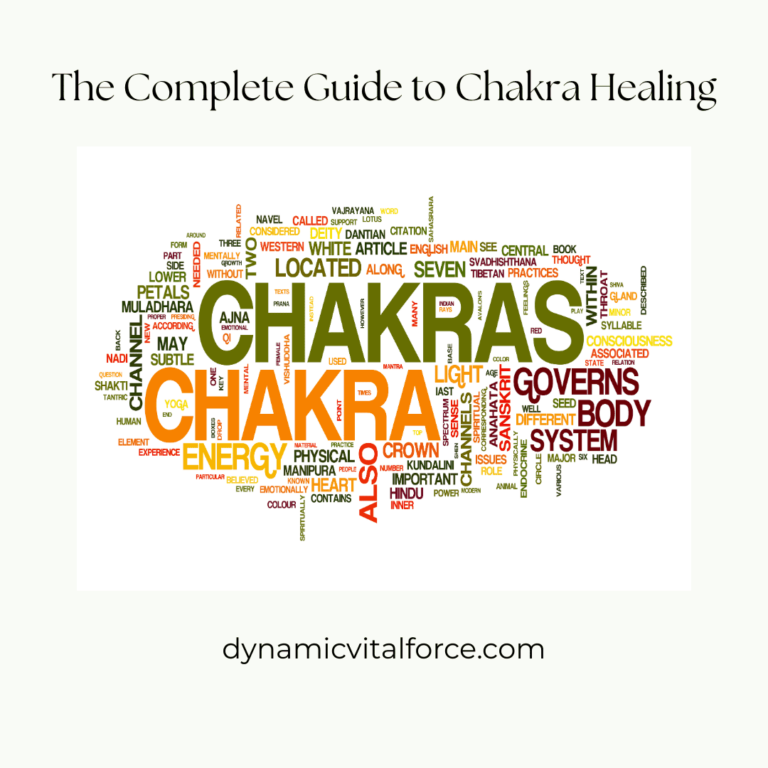
In chakra-based energy healing, each chakra is associated with certain emotional patterns:
- Root Chakra → safety, survival, stability
- Sacral Chakra → emotions, pleasure, creativity
- Solar Plexus → confidence, personal power
- Heart Chakra → love, trust, connection
- Throat Chakra → expression, truth
- Third Eye → clarity, intuition
- Crown Chakra → meaning, awareness, spirituality
When someone uses affirmations consistently, they are essentially doing this:
Replacing old emotional “coding” stored in thought patterns with new, supportive instructions.
This is why affirmations are often used alongside meditation, breathwork, Reiki, yoga, and journaling in chakra healing practices.
I have written an indepth article for your study on 7 chakra affirmations here. Go through it and study well.
Why chakras and affirmations create long-term changes (not just temporary motivation)
This is where energy healing and psychology overlap.
Affirmations work long-term because they gradually influence three deep layers:
1. Neural repetition (brain wiring)
The brain strengthens repeated thought patterns.
So if someone constantly repeats:
- fear-based thoughts → anxiety pathways strengthen
- supportive affirmations → calm pathways strengthen
Over time, thinking itself starts to change automatically.
2. Emotional memory (chakra patterns)
In energy healing terms, unresolved emotions are often considered “stored” in chakra centers.
Affirmations gently reintroduce new emotional experiences:
- safety instead of fear
- worth instead of shame
- expression instead of suppression
This doesn’t erase the past—it reshapes the emotional response to it.
3. Identity restructuring (deepest change) with chakras and affirmations
This is the most powerful shift.
People don’t just change habits—they change who they believe they are.
Example progression:
- “I am anxious and stuck”
→ becomes - “I am learning to feel stable”
→ eventually becomes - “I handle challenges with calm awareness”
That identity shift affects:
- relationships
- health habits
- decision-making
- emotional resilience
The hidden everyday chakra work people already do
Most people unknowingly influence their chakras all the time through self-talk:
- “I can’t do this” → weakens solar plexus energy
- “I feel unsafe everywhere” → impacts root chakra
- “Nobody listens to me” → affects throat chakra
- “I’m always unlucky in love” → impacts heart chakra
So affirmations are not “new behavior”—they are conscious correction of unconscious programming.
What long-term transformation actually looks like with chakras and affirmations
With consistent affirmation + supportive practices (meditation, grounding, breathwork, lifestyle alignment), changes often show up as:
- calmer nervous system responses
- reduced emotional reactivity
- stronger boundaries without guilt
- clearer intuition and decision-making
- improved self-worth and self-trust
- better emotional regulation in relationships
- deeper sense of inner stability
In chakra terms, this is described as energy becoming more balanced and less reactive across centers.
Finally, chakras and affirmations
Affirmations in chakra healing are not about forcing positivity.
They are about:
- slowly rewriting emotional reflexes
- stabilizing internal energy patterns
- and aligning thought, emotion, and behavior over time
When practiced consistently, they don’t just change how a person thinks—they change how a person responds to life itself.