
Healing the Whole Person: Why Integrative Energy Healing Goes Deeper Than One Modality Alone
Recently one client asked this question- What is integrated healing session? I mentioned it means- Healing the Whole Person
When someone comes to me feeling exhausted, anxious, or unwell, the first thing I notice is that they are carrying something on many levels at once.
They might have a tight chest, a racing mind, old emotional wounds they haven’t spoken about in years, and a deep sense of being disconnected from themselves. No single pill, no single session, no single technique can always reach all of that in one go.
This is the heart of why a multi-modal healing approach in my practice matters.
Healing the whole person
Modern stress is not just physical. It lives in the body as tension and fatigue.
Stress lives in your emotions as anxiety, sadness, or anger. It lives in your mind as worry, self-doubt, or mental fog.
It lives in your energy field as restlessness or a feeling of being “off.”
And it shows up in your behaviour as withdrawal, overworking, poor sleep, or reaching for things that numb us rather than heal us.
Sounds familiar?
I personally suffered from various effects of the modern stress. That is why I can not stop at using just the Reiki Energy healing.
When a person used only one approach to healing that only addresses one of these layers of stress, they will often find that the original stress symptoms keep returning, or that progress of healing is slow and frustrating.
This is not a failure of the person seeking healing. It is simply the nature of how deeply stress and imbalance can settle into us.
Integrated healing is about combining complementary approaches in a thoughtful, personalised way — not throwing everything at a person at once, but selecting what is needed, when it is needed, for that specific individual.
The goal is not just to reduce symptoms temporarily.
The real goal of integrated health practice is to restore balance, build resilience, and help a person reconnect with their own inner wisdom and self-awareness.
The Core Philosophy: Every Person is Different
There is no such thing as a one-size-fits-all approach to healing, and yet so much of conventional and even alternative wellness falls into this trap.
We reach for the same solution for everyone because it worked for one person, or because it is popular, or because it feels comfortable and familiar.

But healing is deeply personal.
Two people may walk into a session with the same complaint — say, chronic anxiety — and have completely different root causes, different patterns in their nervous system, different emotional histories, and different energetic profiles.
One person may need grounding and calming. Another may need to process a buried grief.
One responds beautifully to energy work. Another needs to move their body and tap on meridian points before they can settle enough to receive anything else.
Healing also tends to be non-linear. It does not progress in a straight line from Point A to Point B. People have good weeks and difficult weeks.
An old layer may resurface just as things seem to be improving. Something that felt resolved may need revisiting from a different angle.
This is not regression. It is the natural unfolding of a deeper process.
An integrated practice honours all of this. It creates the space for personalised care — adapting the tools and the approach based on where a person is on any given day, what layer of imbalance is presenting most prominently, and what they are ready to work with.
What Is Integrated Healing?
Integrated healing means combining multiple complementary modalities in a structured and intentional way. The key word here is intentional.
This is not about randomly mixing techniques or offering everything on a menu. It is about understanding the different dimensions of health and choosing the right approach for each dimension.
Different systems of healing work on different levels:
Some modalities work primarily with the body and nervous system. Some work with emotional patterns and memory. Some work with energy and the subtle field around the body. Some work with the mind and beliefs. Some support the spirit or the deeper sense of self.
When you bring these together wisely, they create a synergy — a combined effect that is greater than any single approach could achieve on its own.
For example, a person dealing with chronic stress might receive Reiki to calm the nervous system and create a receptive, relaxed state. Then EFT Tapping might be used to address specific emotional triggers or anxious thoughts.
Bach Flower Remedies might be chosen to gently support underlying emotional patterns like fear or overwhelm between sessions. And crystal healing might be used as a grounding, mindfulness-supporting tool during meditation.
Each modality is chosen for a reason. Each one addresses a different layer. Together, they create a more complete healing experience.
The Science Behind Integrated Healing: Mind, Body, and Emotion Are One System
For a long time, Western medicine treated the body and mind as separate. We now know this is simply not true.
The body and the mind are in constant, moment-to-moment conversation.
When you feel afraid, your heart rate rises, your muscles tense, and your digestion slows down.
When you feel safe and loved, your breathing deepens, your immune function improves, and your body begins to repair itself more effectively.
This is not metaphor. This is biology.
Stress Physiology
When we experience stress, the body activates what is commonly called the “fight or flight” response. Stress hormones such as cortisol and adrenaline flood the system.
The heart beats faster. Blood is redirected away from digestion and immune function toward the muscles.
This is a brilliant survival mechanism when we are in genuine danger.
The problem is that many people are living in this activated state almost continuously — not because of physical danger, but because of emotional overwhelm, financial worry, relationship conflict, work pressure, or unresolved trauma.
The body cannot tell the difference between a real threat and a perceived one.
Over time, this chronic activation leads to inflammation, fatigue, disrupted sleep, digestive problems, lowered immunity, and emotional burnout.
The Nervous System: The Missing Piece in Many Healing Journeys
The nervous system is the command centre of the stress response.
It has two main operating modes: the sympathetic (active, alert, survival-oriented) and the parasympathetic (calm, restorative, healing-oriented).
Most healing — physical, emotional, and energetic — can only happen when the parasympathetic system is engaged.
Many people are stuck in a chronic sympathetic state. They come to a healing session and struggle to relax or receive because their nervous system has forgotten how to shift down.
One of the most important things an integrated practitioner can do is help a person return to that safe, calm state — again and again — until the nervous system begins to remember it as a natural resting place.
This is one of the reasons why Reiki is so valuable in an integrated practice. Its primary and most reliable effect is activating the relaxation response — shifting the nervous system from sympathetic overdrive into parasympathetic rest.
From that place of calm, deeper healing work becomes possible.
Psychoneuroimmunology: How Emotions Affect Your Immunity
The field of psychoneuroimmunology studies the relationship between psychological states, the nervous system, and the immune system.

What the research consistently shows is that emotional states have a direct and measurable impact on immune function, inflammation, and physical health.
- Chronic anxiety suppresses immune response.
- Unresolved grief can contribute to inflammatory conditions.
- Long-term emotional suppression — the habit of pushing feelings down and carrying on — is associated with a range of chronic health conditions.
This is not about blame. Nobody chooses to suppress their emotions consciously.
It is usually a learned survival strategy, developed in childhood or during difficult times, that simply becomes habitual. But it does mean that emotional healing is not a luxury. It is a genuine health priority.
Trauma and the Body
Trauma does not live only in the memory. It lives in the body.
Pioneering researchers and clinicians have shown that traumatic experiences are stored somatically — in the tissues, the muscles, the nervous system itself.
This is why a person may have done years of talking therapy and feel intellectually clear about a past event, but still find that certain smells, sounds, or situations trigger a physical stress response that bypasses rational thought entirely.
Healing trauma often requires working directly with the body and the nervous system, not just the thinking mind.
This is another reason why body-based and energy-based modalities have such an important role to play.
In fact, in my intregrated healing session, I spend significant time understanding the trauma, its origin and how you reacted to it initially vs over time.
Interested to experience how integrated healing session can help you?
Book your first consultation for free today.
Neuroplasticity: The Brain Can Change
One of the most hopeful discoveries in modern neuroscience is that the brain is not fixed. It can form new neural pathways throughout life.
Emotional patterns and stress responses that were learned can, with the right support and repeated new experiences, be gently rewired.
Practices that create calm, safety, and positive emotional states — repeatedly, consistently — literally help the brain build new pathways.
Over time, the anxious default can shift to a more regulated, resilient one. This is why regular healing practice matters more than a single transformative session.
Understanding Energy-Based Healing
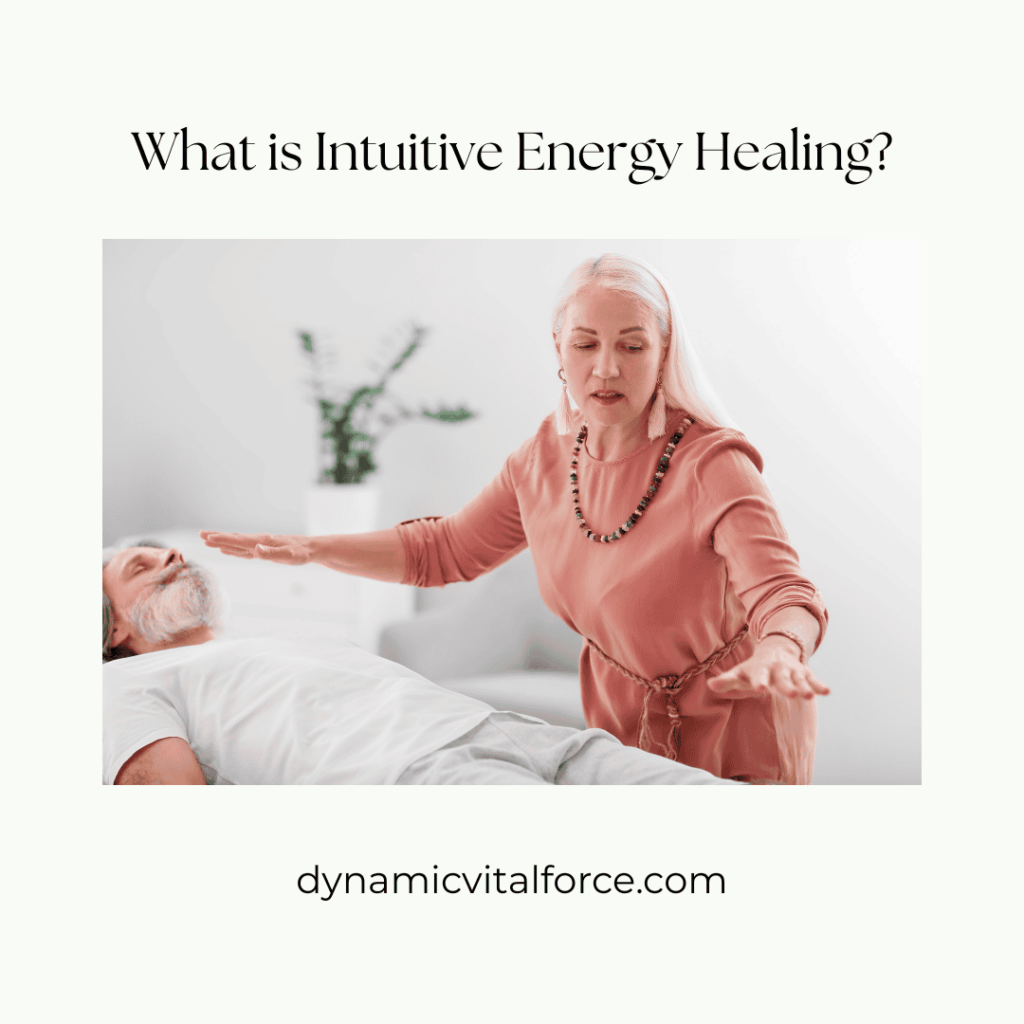
Many healing traditions around the world — from ancient China to India to indigenous cultures — have recognised that the human being is not only a physical body.
They understood that there is a vital, animating energy that flows through and around us, and that disturbances in this energy can precede or accompany physical and emotional illness.
- In Chinese medicine, this energy is called Qi, and it flows through pathways called meridians.
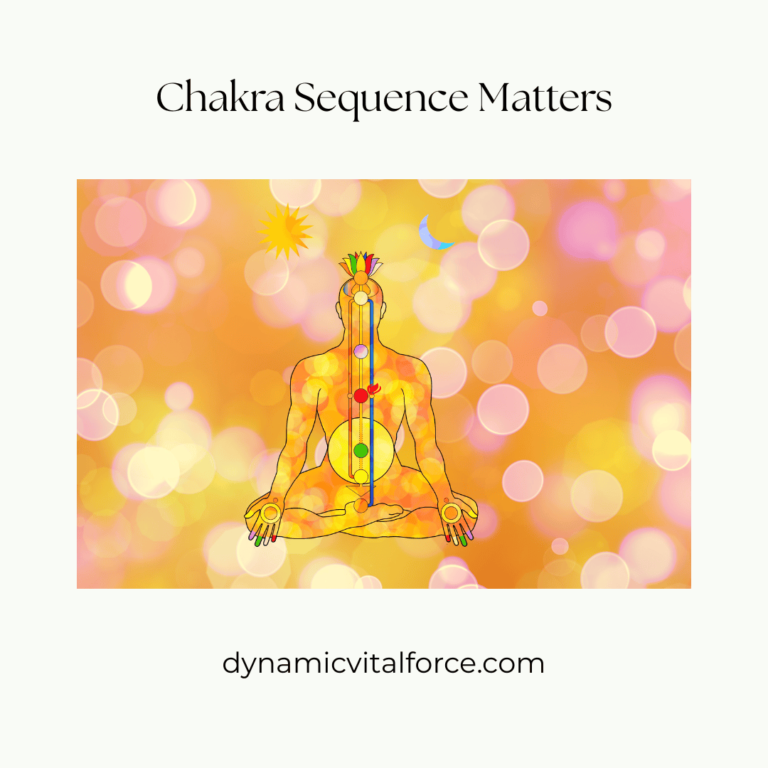
- In the Indian yogic tradition, it is called Prana, and energy centres called chakras are understood to govern different aspects of our physical and emotional life.
- In classical homeopathy, the concept of vital force describes the living intelligence that organises and animates the body.
These are ancient observations from cultures that spent thousands of years studying the human system in great detail. They used different languages and frameworks, but they were pointing at something consistent: that there is more to a human being than the purely mechanical.
From a modern perspective, we can look at this through the lens of stress signalling, electromagnetic communication within the body, and the concept of mind-body coherence.
The heart, for example, generates an electromagnetic field that extends beyond the body and changes in response to emotional states.
The nervous system communicates not only through chemical signals but through electrical impulses.
There is growing scientific interest in what might be called the biofield — a term used to describe the complex field of energy and information that surrounds and permeates the living body.
It is important to be honest and grounded here. We do not yet have a complete scientific explanation for how energy healing works. What we do know is that many people report significant benefit — relaxation, emotional release, reduced pain, improved sleep, greater clarity.
Whether this is due to biofield effects, the relaxation response, placebo, therapeutic relationship, or some combination of all of these, the practical reality is that it helps people.
A good practitioner approaches energy-based healing with humility, openness, and a commitment to the wellbeing of the person in front of them — not with exaggerated claims or promises of miracle cures.
Bringing It All Together
What unites all of these modalities is a shared recognition: a human being is a whole system. Physical, emotional, mental, energetic, and behavioural dimensions are not separate.
They are constantly influencing each other. Healing one layer often opens the door to healing another.
An integrated practice does not try to rush this process or override the person’s own healing intelligence.
It creates the conditions — safety, calm, attention, appropriate tools — in which the body and psyche can do what they are naturally designed to do: restore balance and move toward wholeness.
In my own practice, I have seen that people who engage with this kind of layered, personalised approach tend to experience more lasting change than those who receive a single modality in isolation.
Not because one approach is superior to another, but because healing is multi-dimensional by nature — and when we meet it at multiple levels, we offer the deepest possible support.
Each person’s path is unique. Each healing session is a collaboration. And the role of the practitioner is always to serve the whole person — with skill, humility, and deep respect for the intelligence that lives within every individual who comes seeking healing.
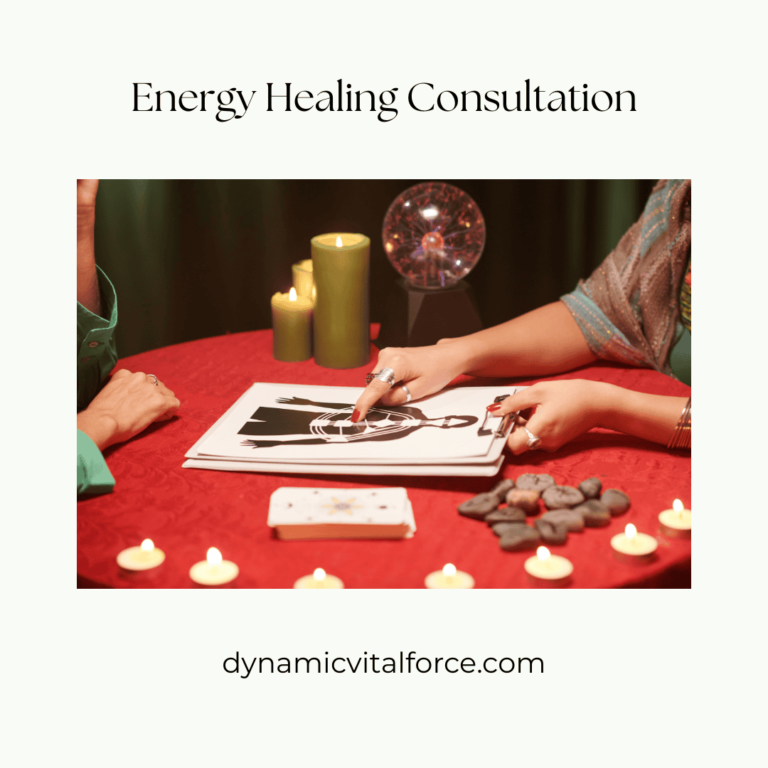
Ready to explore whether Integrated Healing Session could help your specific health situation?
I invite you to schedule a 30-minute initial consultation where we can discuss:
- Your current health concerns
- How integrated healing might address your specific situation
- What to expect from the treatment process
- Any questions you have about integrated Healing and care