Most Common Myths about Reiki
Reiki is one of the most widely known forms of energy healing, yet it is also one of the most misunderstood. Many people are curious about Reiki but are unsure what it actually involves, how it works, or what to realistically expect from a session.
Myths about Energy Healing- Reiki
Because Reiki is often discussed using terms like “energy,” “vibration,” or “healing,” misconceptions can easily arise. Some people expect instant miracles, while others dismiss it completely because they misunderstand its purpose.
Here are some of the most common myths and misunderstood aspects of Reiki energy healing.
Myth #1: “Reiki Is a Religion”
One of the most common misunderstandings is that Reiki belongs to a religion or requires specific spiritual beliefs.
The FACT: Reiki is not a religion, nor does it require:
- Worship
- Religious conversion
- Special belief systems
- Following a guru ( although it is best to get the attunement from the Reiki Master once)
- Giving up existing faith traditions
People from many different cultural and spiritual backgrounds practice or receive Reiki simply as a relaxation and wellness modality.
Reiki is generally understood as a gentle energy-based practice intended to support relaxation, balance, and overall well-being.
Myth #2: “You Must Believe in Reiki for It to Work.”
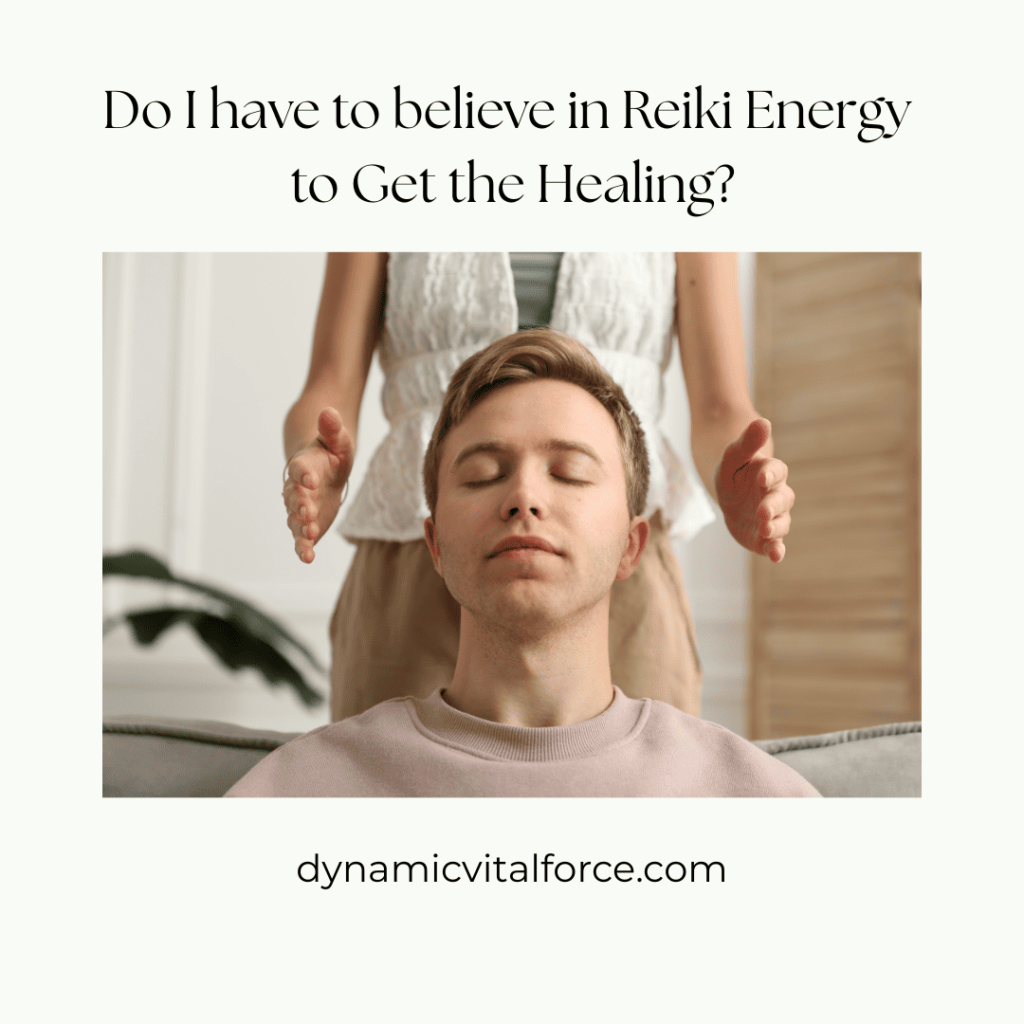
The Fact: In practice, many Reiki practitioners describe the experience as similar to relaxation therapies where people may respond differently regardless of personal beliefs.
Some individuals report:
- Deep relaxation
- Emotional calmness
- Better sleep
- Reduced stress
- A sense of mental clarity
Others may simply feel peaceful or rested after a session.
The experience can vary from person to person.
Myth #3: “Reiki Is Magic or Supernatural.”
The Fact: Most Reiki practitioners describe Reiki more simply as:
- A gentle energy-based wellness practice
- A relaxation-supportive therapy
- A method that encourages balance and calmness
A Reiki session usually involves:
- Light touch or hands placed slightly above the body
- Quiet relaxation
- A calm healing environment
It is generally experienced as gentle and non-invasive.
Myth #4: “Reiki Replaces Medical Treatment.”
This is one of the most important misconceptions to clarify.
The Fact: Reiki is generally considered a complementary wellness practice — not a replacement for medical care.
Responsible Reiki practitioners do not advise people to:
- Stop prescribed medications
- Avoid medical diagnosis
- Ignore serious symptoms
- Replace emergency treatment with Reiki
Many people use Reiki alongside:
- Conventional healthcare
- Counseling
- Yoga
- Meditation
- Massage therapy
- Holistic wellness practices
The focus is usually on supporting relaxation, emotional balance, and stress reduction.
Myth #5: “Reiki Healers Use Their Own Personal Energy.”
The Fact: Another misunderstanding is that Reiki practitioners are “giving away” their own personal energy.
Traditional Reiki teaching generally describes the practitioner as a facilitator or channel rather than the source of healing itself.
Practitioners often believe the role is to help create a balanced and calm environment where the recipient can relax deeply.
Myth #6: “If you Feel Heat, Tingling, or Energy, then only Reiki session is effective”
The Fact: Everyone receives energy differently. The energy goes to where it is needed the most.
Some people expect dramatic sensations during Reiki sessions if the blockages are bigger or long standing.
While some individuals report:
- Warmth
- Tingling
- Pulsations
- Emotional release
- Deep relaxation- some often sleep deeply. They naturally will not notice any heat or tingling. But a deeper sleep is a good sign of energy doing its work nicely.
others may feel very little physically.
Not feeling strong sensations does not necessarily mean the session was ineffective. Experiences vary greatly from person to person.
Myth #7: “Reiki Produces Instant Miracles.”
The Fact: Social media and exaggerated marketing can sometimes create unrealistic expectations around Reiki.
Reiki is not typically presented by responsible practitioners as:
- An instant cure
- A miracle solution
- A guaranteed treatment for disease
Instead, Reiki is more commonly described as a gentle supportive practice that may help with:
- Relaxation
- Emotional balance
- Stress reduction
- Mental calmness
- General well-being
Some people notice subtle gradual changes rather than dramatic immediate effects.
Myth #8: “Reiki or energy healing is Only for Physical Problems.”
The Fact: Although many people seek Reiki for physical relaxation, Reiki sessions often focus equally on:
- Emotional stress
- Mental exhaustion
- Burnout
- Anxiety
- Emotional overwhelm
- Energetic balance
People often seek Reiki during periods of:
- Life transition
- Grief
- Emotional fatigue
- Chronic stress
- Personal growth
Myth #9: “Anyone Can Become a Reiki Master Overnight.”
The Fact: While introductory Reiki training can be learned relatively quickly, experienced practitioners often spend years developing:
- Consistency
- Presence
- Ethical understanding
- Client communication
- Self-practice
- Practical experience
Like many holistic practices, deeper understanding usually develops gradually over time. I personally spent more than a decade practicing Distance Healing ( Level 2) before getting master Reiki Education ( Level 3). Read about this on About page and My Guruji Page here.
Myth #10: “Reiki and Energy Healing Are the Same Everywhere.”
The Fact: There are many styles and interpretations of Reiki practice.
Some Reiki practitioners focus primarily on:
- Relaxation
- Meditation
- Stress support
Others may integrate Reiki with:
- Yoga
- Breathwork
- Sound healing
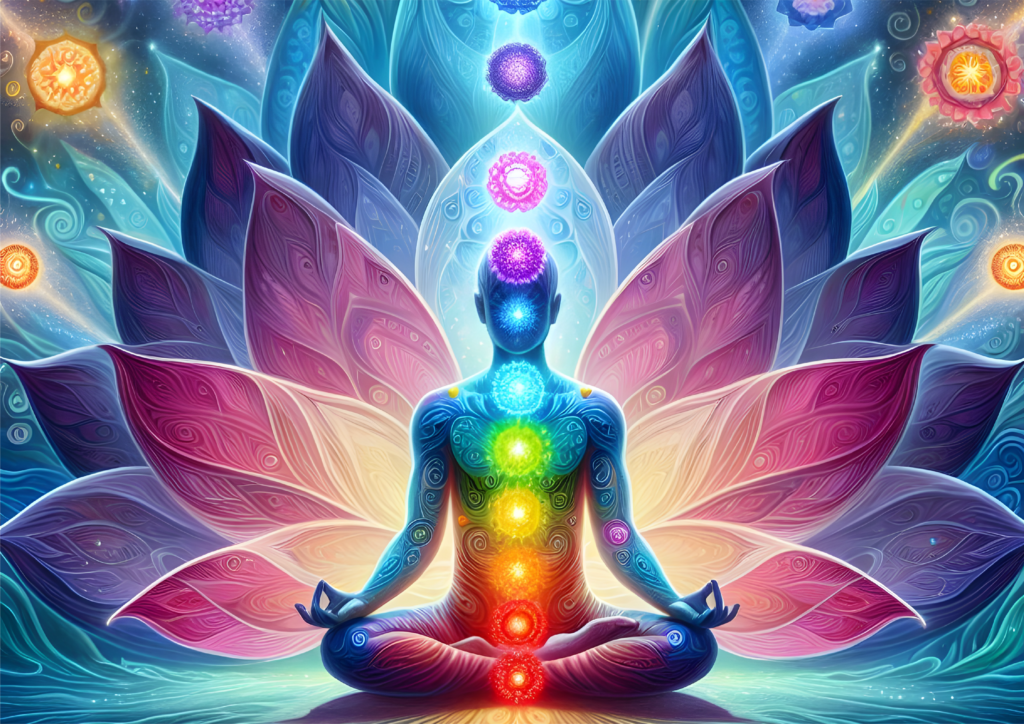
- Chakra-based practices
- Spiritual coaching
Because approaches vary, it is helpful for you to understand the practitioner’s style, philosophy, and boundaries before beginning sessions.
What Reiki Is Commonly Used For
People often explore Reiki for support with:
- Stress management
- Relaxation
- Emotional well-being
- Mental calmness
- Self-care
- Sleep support
- Burnout recovery
- Mind-body balance
Many people simply experience Reiki as a peaceful pause from the stress and overstimulation of daily life.
What Makes My Reiki Healing Approach Different?
My approach to Reiki is integrative and individualized rather than protocol-based.
Instead of working with Reiki as a stand-alone modality, I combine it with complementary healing approaches such as Emotional Freedom Techniques (EFT tapping), crystal healing, Bach flower remedies, and Classical Homeopathy depending on the client’s energetic, emotional, and physiological patterns.
From an integrative wellness perspective, emotional stress, unresolved trauma, and chronic nervous system dysregulation may manifest as energetic or functional imbalances within the body.
By assessing patterns of stress response, emotional reactivity, and energetic blockages along meridian pathways, I tailor the healing process using multiple supportive modalities that work synergistically to encourage relaxation, emotional regulation, energetic balance, and overall well-being.
Your Next Steps
I hope this guide has helped clarify some common misconceptions about Reiki and provided you with accurate information about this healing system. If you’re considering Reiki for your health concerns, here are some suggested next steps:
- Research qualified Reiki Practioners – Look for Reiki Practitioners with proper training, certification, and experience.
- Consider your health goals – Reflect on what you hope to achieve with Reiki Healing.
- Schedule a consultation – A personal conversation with a Reiki Master/ Practitioner will give you the best sense of whether this approach is right for you.
- Ask questions – Bring your specific concerns and questions to your consultation.
Ready to explore whether Reiki could help your specific health situation?
I invite you to schedule a 30-minute initial consultation where we can discuss:
- Your current health concerns
- How Reiki might address your specific situation
- What to expect from the treatment process
- Any questions you have about Reiki Healing and care
Book your consultation today
Final Thoughts on Myths about Reiki
Reiki energy healing is often misunderstood because it is discussed using language that can sound unfamiliar or overly mystical. In practice, many people experience Reiki as a gentle, calming, and supportive wellness practice that encourages relaxation and emotional balance.
Understanding what Reiki is — and what it is not — helps create more realistic expectations and allows people to explore it with greater clarity and confidence.
Take a look at all educational articles on Reiki – The complete Guide to Reiki