The Complete Guide to Reiki energy Healing
Reiki Energy Healing is a Japanese energy healing technique developed in the early 20th century by Mikao Usui.
The word itself comes from two Japanese words — Rei meaning “universal” or “higher power” and Ki meaning “life force energy.” Together, Reiki means “universally guided life force energy.” It is pronounced ray-key.
The foundational belief is that an unseen life force energy flows through all living beings. When this energy is low, blocked, or disrupted, we are more likely to feel stress, illness, or emotional imbalance.
When it flows freely and abundantly, we feel vibrant, healthy, and at peace.
A Reiki practitioner acts as a clear channel, allowing this healing energy to flow through their hands to the client, supporting the body’s natural ability to heal itself — on a physical, emotional, mental, and spiritual level.
Disclaimer: This information is provided for educational purposes only and is not intended as medical advice. Please consult with a licensed healthcare professional before making any decisions regarding your health.
Is Reiki a religion or spiritual practice?
Reiki is not a religion. It has no dogma, no required beliefs, and no deity you must worship.
You do not need to belong to any faith tradition — or any at all — to give or receive Reiki. That said, Reiki is deeply spiritual in nature.
Reiki is a healing energy so it works with the energy of life itself, which many people experience as profoundly sacred.
People of all backgrounds — Hindus, Buddhists, atheists, and agnostics — practice and receive Reiki comfortably.
The Five Reiki Principles (Just for today: do not anger, do not worry, be grateful, work honestly, be kind to every living thing) are universal ethical guidelines, not religious commandments.
You can have any worldview but you have access to Reiki healing energy always.
Is Reiki scientifically proven?
This is one of the most honest questions a new client can ask, and it deserves an honest answer.
The Center for Reiki Research and World Reiki Research has compiled dozens of clinical studies showing positive outcomes.
Major hospitals including Johns Hopkins, Yale, and the Cleveland Clinic now offer Reiki as part of integrative care.
The Biofield Science Evidence Map is an innovative endeavor in integrative health to systematically categorize, catalog and visually present all existing peer-reviewed clinical studies on biofield therapies- such as Reiki, Pranic Healing, Polarity Therapy etc.
Explore effect of Reiki Energy Healing on Cancerl cells here
For all other research on Energy Healing, check our dedicated Research Section on this site.
A Large-Scale Effectiveness Trial of Reiki for Physical and Psychological Health are also published by National Institue of Health, USA
The science is catching up, but millions of people worldwide have experienced results that go beyond placebo.
Why Are Hands Used in Reiki Energy Healing?
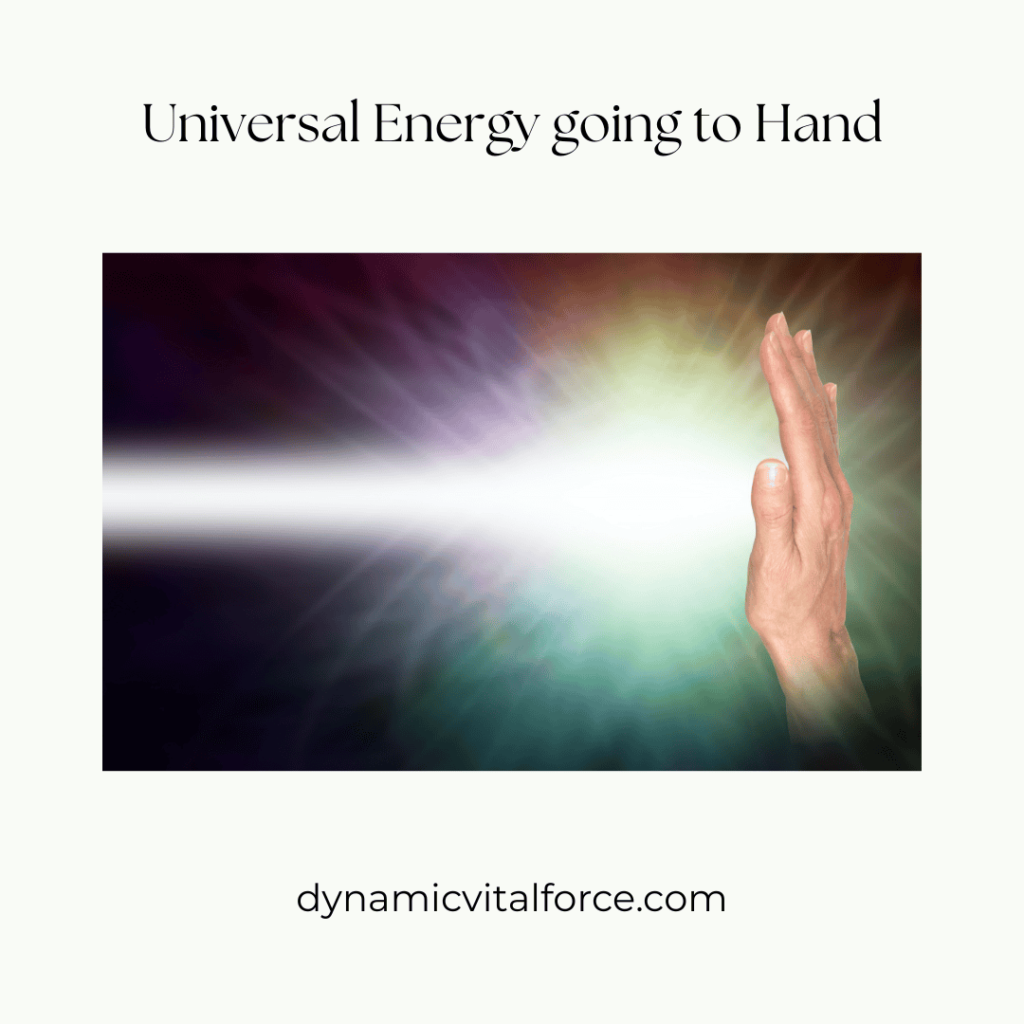
The hands are not arbitrary tools in Reiki. They are, both energetically and physiologically, among the most sensitive and energetically active parts of the human body. There are several layers of explanation — anatomical, neurological, bioelectromagnetic, and chakra-based.
More details of Reiki Healing hands here
What can Reiki Energy Healing help with?
Reiki supports healing on all levels — body, mind, heart, and soul.
- On a physical level, it is widely used to reduce pain, accelerate recovery from surgery or illness, ease chronic conditions, improve sleep, and boost the immune system.
- On an emotional level, it helps release grief, anxiety, trauma, fear, and emotional numbness. Mentally, clients report greater clarity, focus, and relief from overthinking.
- Spiritually, Reiki helps people feel more connected — to themselves, to others, and to a greater sense of purpose.
It is increasingly used in hospitals, hospices, and cancer care centers as a complementary therapy alongside conventional medicine. Reiki does not replace medical treatment — it works beautifully alongside it.
What are the different types of Reiki Energy Healing?
While Usui Reiki Energy Healing is the original and most widely practiced form, there are now many recognized different types of Reiki, each with its own lineage, symbols, and focus:
Usui Reiki — the foundation tradition developed by Mikao Usui in Japan in the 1920s.
Usui Tibetan Reiki — a Western hybrid incorporating Tibetan elements, widely taught in the US and Europe.
Angelic Reiki — Angelic Reiki is a powerful form of energy healing that works specifically with the Angelic Kingdom of Light. It was channeled by Kevin Core in 2003 and combines the Usui and Shamballa Reiki lineages with angelic consciousness.
Unlike traditional Usui Reiki — where the practitioner channels universal life force energy — in Angelic Reiki, it is the angels themselves who deliver the healing. The practitioner simply holds the space and acts as a bridge.
Karuna Reiki — developed by William Lee Rand, it uses additional symbols focused on compassion and healing deep wounds.
Kundalini Reiki — focuses on awakening kundalini energy through simplified but powerful attunements.
Rainbow Reiki — incorporates shamanic and esoteric elements alongside traditional Reiki.
Holy Fire Reiki — a newer system also developed by William Lee Rand, described as a higher consciousness energy that purifies and heals.
Seichem / Sekhem Reiki — incorporates Egyptian healing energies alongside Usui Reiki.
All genuine Reiki systems share the same core principles — channeling healing energy for the highest good — but differ in lineage, symbols, and technique. Usui Reiki is always the recommended starting point before exploring other systems.
What are the different levels of Reiki Energy Healing?
Reiki is traditionally taught in three levels or degrees, with a fourth level for those who wish to become teachers:
Level 1 (Shoden) — The foundation. Students receive their first attunement, learn the history and principles of Reiki, and begin practicing hands-on healing on themselves and others. This is where the journey begins.
Level 2 (Okuden) — The practitioner level. Students learn the first three sacred Reiki symbols, significantly amplify their healing ability, and learn to send Reiki across distance and time. Many people begin seeing clients professionally at this level.
Level 3 (Shinpiden / Master Practitioner) — The master level. Students receive the Master symbol, deepen their spiritual practice, and develop a more refined, powerful channel of energy. Not everyone who reaches Level 3 wishes to teach.
Master Teacher Level — The highest level. Students learn how to pass attunements to others, teach all levels of Reiki, and carry the lineage forward. This is a profound calling and a sacred responsibility.
What is an attunement?
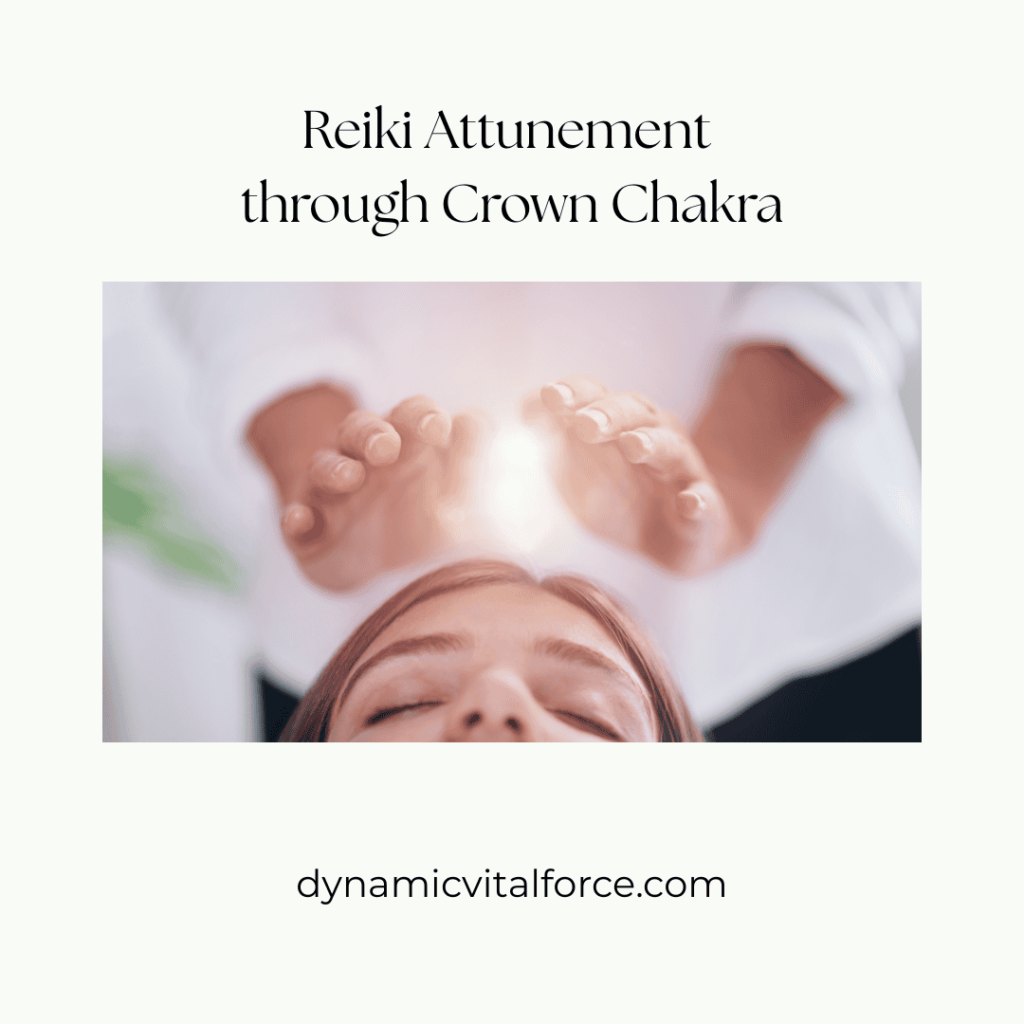
An attunement is a sacred initiation ceremony performed by a Reiki Master Teacher. It is the process by which the student’s energy field is permanently opened and aligned to channel Reiki energy.
Think of it like tuning a radio — an attunement tunes you to the specific frequency of Reiki so that healing energy can flow through you clearly and consistently.
During an attunement, the teacher works with the student’s crown, heart, and palm chakras using specific Reiki Symbols and intentions.
The attunement experience is deeply personal — some students feel waves of emotion, see visions, feel heat or tingling, or simply feel a profound inner stillness.
The effects of an attunement are permanent and cumulative with each level.
Can Reiki Energy be Controlled?
In Reiki, the practitioner does not “control” the healing process nor decide how healing should happen.
Instead, Reiki practitioners see themselves as a channel through which healing energy flows. The idea is that the energy naturally goes where it is needed most for the person receiving it.
It is like a contract where that healing happens through the connection between the individual, the healing energy, and a higher universal force.
Reiki is also considered a gentle and non-invasive practice that aims to promote relaxation, emotional balance, and overall well-being without causing harm. So, it never harms and does only the good.
Can I practice Reiki Energy Healing on myself?
Absolutely — and self-healing is actually considered the heart of Reiki practice.
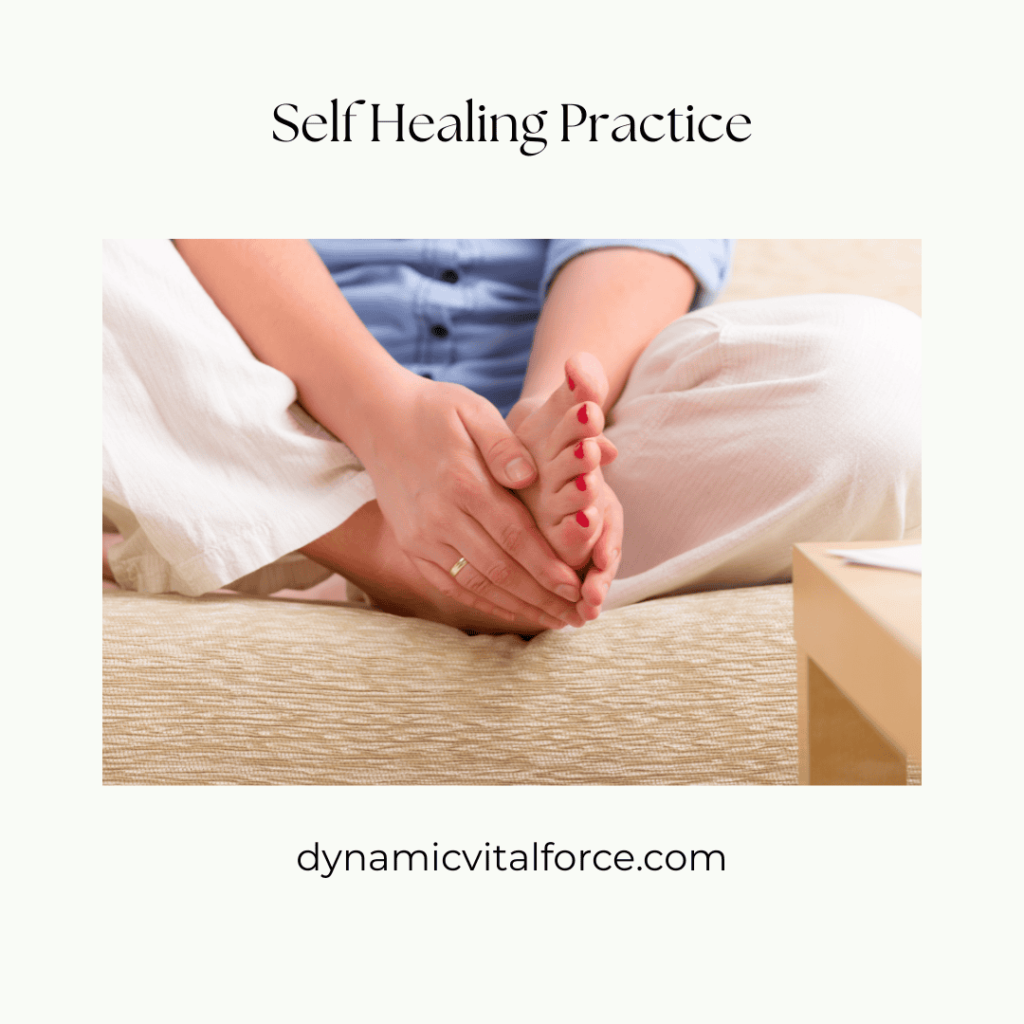
Mikao Usui himself emphasized that the primary purpose of Reiki Energy Healing is self-transformation and self-healing. Once attuned at Level 1, you can place your hands on your own body and allow healing energy to flow.
A daily self-Reiki practice — even 20 minutes before sleep — can produce profound shifts in your physical health, emotional balance, and spiritual wellbeing over time.
Many practitioners begin each morning with a self-treatment as a form of energetic hygiene.
Reiki on yourself also continuously deepens your sensitivity, your connection to the energy, and your effectiveness as a healer for others.
What are Reiki symbols and what do they do?
Reiki symbols are sacred geometric figures that were originally kept secret within the Usui tradition, used as keys to access specific frequencies of healing energy. Each symbol has a name (used as a mantra), a form (drawn in the air or visualized), and a function.
Learn more about Reiki Symbols in these articles- Cho Ku Rey Reiki Symbol, Sei He Ki Reiki Symbol, Hon Sha Ze Sho Nen Symbol. ( Coming Soon)
What is distance Reiki Energy Healing and does it work?
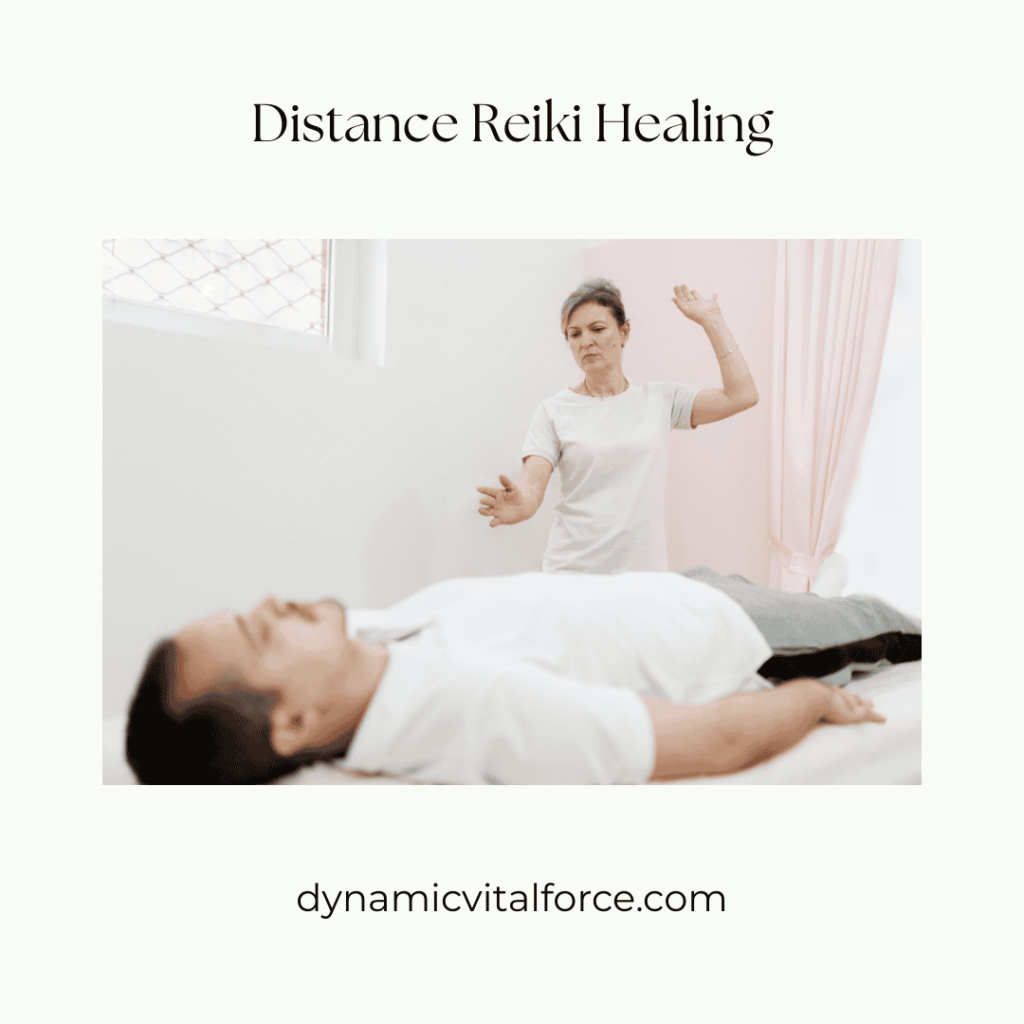
Distance Reiki Energy Healing is the practice of sending healing energy to someone who is not physically present — across a room, a city, a country, or even across the world.
It is made possible through the Distance Symbol learned at Level 2, which works on the quantum understanding that energy is not limited by time or space.
The practitioner sets a clear intention, uses the symbol, and directs Reiki to the recipient, who may be sitting quietly at home at an agreed-upon time. Study about the Distance Reiki Symbol here
Recipients often report the same sensations as an in-person session — warmth, tingling, deep relaxation, and emotional release.
Distance Reiki has become especially popular in recent years and is just as effective as in-person healing when both parties hold a clear and open intention.
What is chakra balancing and how does Reiki support it?
Chakras are the seven main energy centers of the body, a concept originating in ancient Indian yogic tradition and now widely used in energy healing.
Each chakra governs specific physical organs, emotional themes, and spiritual qualities. When chakras become blocked, overactive, or underactive — due to stress, trauma, or unhealthy patterns — we experience physical, emotional, or mental dis-ease.
Reiki is one of the most effective tools for chakra balancing because the energy naturally flows to where it is needed, clearing blockages, restoring balance, and harmonizing the entire system.
Practitioners often use specific hand positions, crystals, and symbols targeted at each chakra for a complete balancing session.
What is Reiki Sound Healing?
Reiki Sound Healing is the beautiful integration of Reiki energy with the healing power of sound vibration.
Sound — particularly through instruments like Tibetan singing bowls, crystal bowls, tuning forks, drums, gongs, and the voice — creates specific frequencies that resonate with and help reorganize the body’s energy field.
In the combined healing session, Reiki practitioner play or tone these instruments around the client’s body while channeling Reiki simultaneously, or they may intone sacred sounds (mantras or toning) as part of the session.
Sound reaches the energetic and physical body through vibration — literally causing cellular resonance — while Reiki works through intention and channeled life force.
Together, they create a deeply immersive, multi-sensory healing experience that clients often describe as profoundly transformative. This is a growing specialty within integrative wellness and a wonderful way to expand your Reiki practice
How long does it take to learn Reiki energy Healing?
Learning Reiki Energy Healing is beautifully accessible. Level 1 can be learned in a single weekend workshop — typically 8 to 12 hours of instruction, practice, and attunement. It is a must to do self-practice for 21 days using the teaching in the Level 1 session.
Level 2 is usually taught a few weeks or months after Level 1 to allow integration time. Personally, I studies Level 2 after one full year of Level 1 Pratice.
Level 3 and Master Teacher training vary widely — some complete them within a year, while others prefer a multi-year mentorship path for deeper development.
However, learning Reiki is different from mastering it. The attunement itself opens the channel instantly, but becoming a truly confident, sensitive, and effective practitioner is a lifelong journey of practice, self-healing, and deepening awareness.
The more you practice, the more powerful and refined your channel becomes.
Can anyone learn Reiki, or do you need a special gift?
Anyone can learn Reiki Energy Healing. This is one of the most beautiful truths about this practice.
You do not need to be psychic, intuitive, spiritually advanced, or born with any special gift. Reiki is not something you develop — it is something that is given to you through the attunement process.
Children as young as seven have been attuned. Elderly people, skeptics, and those who consider themselves “not at all spiritual” have all gone on to become powerful healers.
What you do need is a sincere desire to help and heal, a willingness to practice regularly, and respect for the sacred nature of the work.
The Reiki energy itself is intelligent — it knows where to go and what to do. Your job as a practitioner is simply to get out of the way and let it flow.
Is Reiki Energy Healing safe? Are there any side effects?
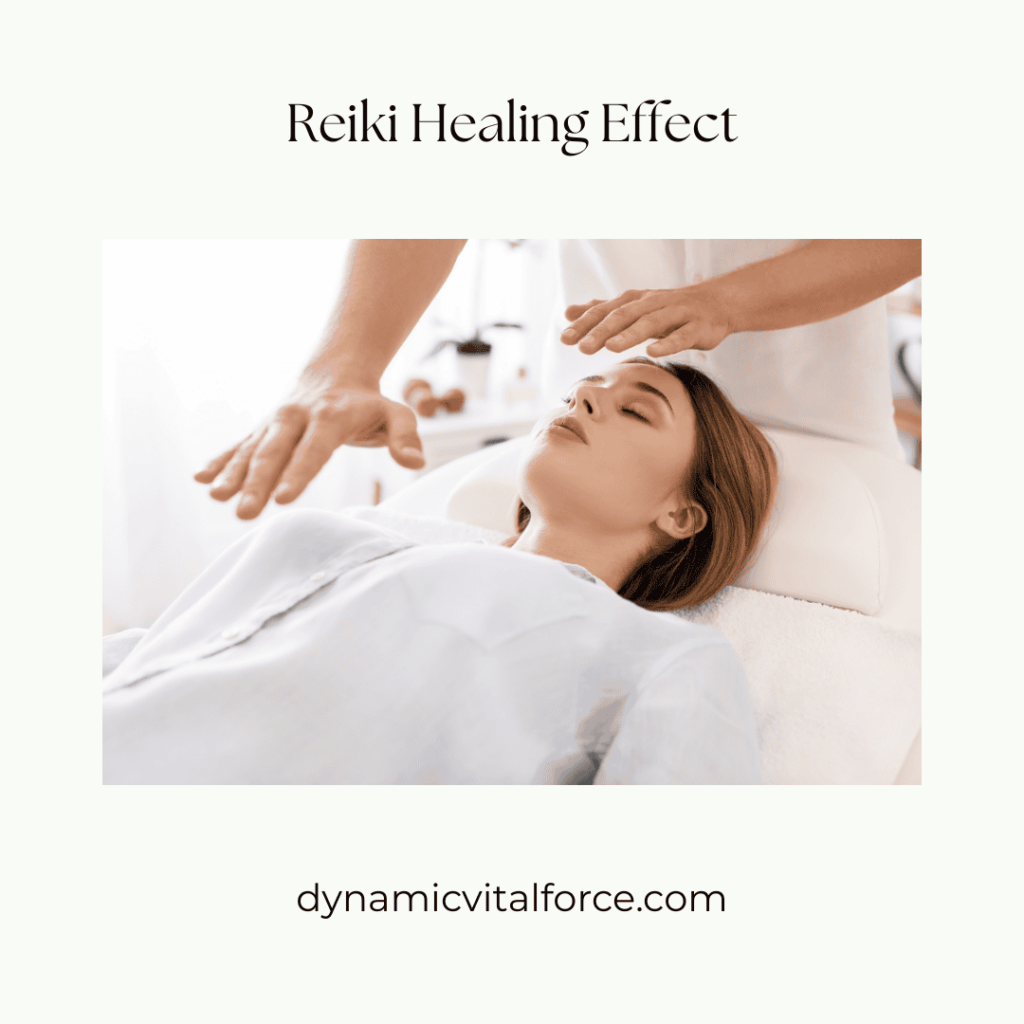
Reiki is extraordinarily safe. It is a gentle, non-invasive practice that cannot cause harm — it only ever works for the highest good of the recipient.
There are no known contraindications and no risk of overdose or negative interference. That said, some people experience a temporary intensification of symptoms, emotional releases, vivid dreams, or fatigue as the body detoxifies and recalibrates.
This is actually a positive sign that the energy is doing its work. It typically passes within 24 to 72 hours. Drinking plenty of water, resting, and being gentle with yourself after a session supports smooth integration.
Reiki is also completely safe during pregnancy, for children, and for those undergoing cancer treatment or surgery.
How is Reiki different from massage or other therapies?
Reiki and massage may both involve touch and relaxation, but they are fundamentally different practices.
Massage works primarily on the physical body — muscles, fascia, and circulation — through deliberate physical manipulation.
Whereas, Reiki works primarily on the energetic body — the subtle energy field that underlies physical form — through intention and channeled energy.
Reiki touch is extremely light (or completely hands-off), with no pressure or manipulation.
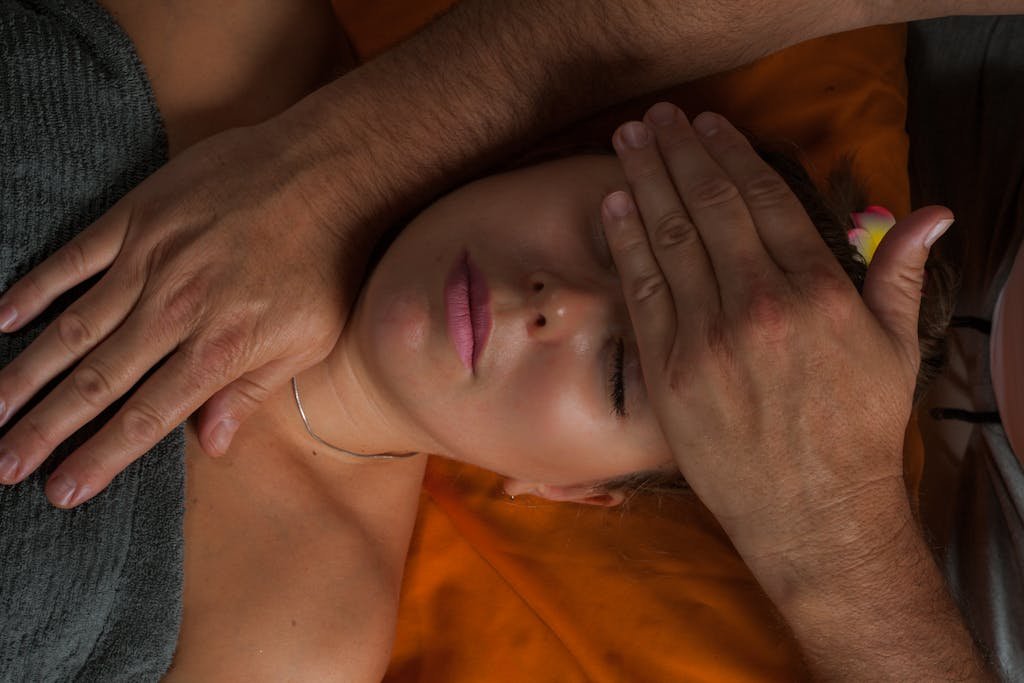
While massage relieves physical tension, Reiki addresses the root energetic imbalances that often underlie physical symptoms.
Reiki also differs from acupuncture (which uses needles to move energy through meridians), crystal healing (which uses the vibrational properties of stones), and psychotherapy (which works through verbal processing).
Reiki is unique in that it works simultaneously on all levels — physical, emotional, mental, and spiritual — in a single session.
How many Reiki Enery Healing sessions are needed?
There is no one-size-fits-all answer, but here is a practical guide. For general relaxation and stress relief, even a single session can produce noticeable results.
For specific physical or emotional concerns, most practitioners recommend starting with four sessions over four weeks — this allows a full energetic assessment and gives the body time to integrate healing between appointments.
Chronic conditions, deep trauma, or long-standing emotional patterns may benefit from ongoing monthly sessions over several months.
Think of it like exercise — one visit to the gym helps, but consistent practice produces lasting transformation.
After an initial course of sessions, many clients move to a maintenance schedule of once or twice a month simply because they love how it makes them feel.
Ultimately, your own body and intuition are the best guides.
What should I wear to a Reiki Energy Healing session?
Comfort is the only rule.
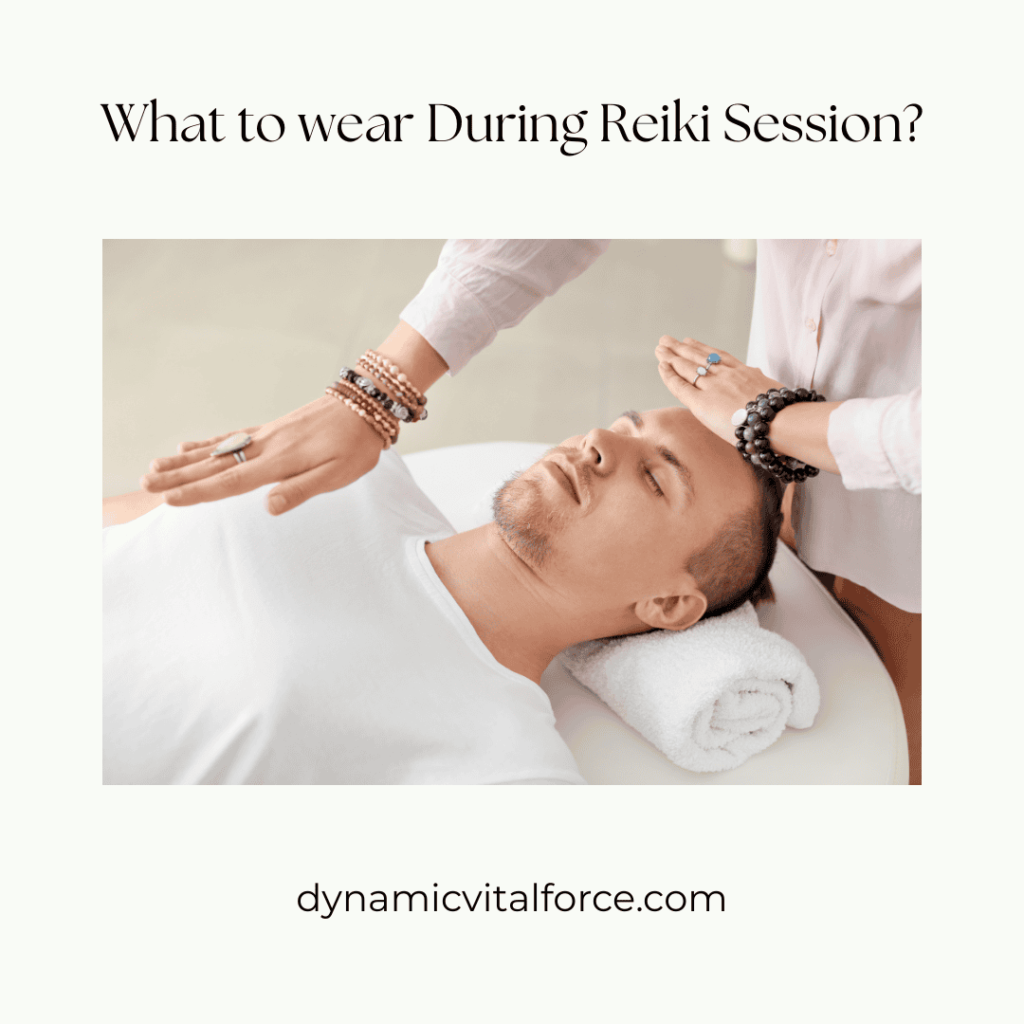
Since you remain fully clothed throughout a Reiki session, wear whatever feels loose, soft, and relaxed — think yoga pants, a comfortable t-shirt, or a loose dress.
Avoid tight waistbands, restrictive jeans, underwire bras, or anything that might dig in when you are lying still for an hour.
It is also a good idea to remove shoes, heavy jewellery, leather belts, and glasses before the session begins, as these can subtly restrict energy flow and make it harder to relax completely.
Avoid strong perfumes or synthetic fragrances out of consideration for your practitioner and any sensitivities they may have.
Some people like to bring a light blanket or socks if they tend to get cold easily.
The simpler and softer your clothing, the more deeply you will be able to surrender into the experience.
Why do I feel heat during Reiki Energy Healing?
Heat is one of the most universally reported sensations during a Reiki session and is generally a sign that energy is actively moving and working in that area.
From a physiological standpoint, the practitioner’s hands do generate mild infrared radiation — but the heat clients experience often far exceeds what physical body warmth alone would produce.

This heat appears in areas the practitioner has not yet physically touched.
Energetically, heat indicates increased circulation of life force energy, the clearing of a blockage, or the body’s healing response being activated in that region.
Some clients feel intense heat in areas of chronic pain, old injuries, or emotional holding — the energy is essentially doing its most concentrated work there.
Occasionally, some clients also feel coolness. It often indicates deep energetic clearing or the presence of excess energy being drawn away. Both sensations are positive and purposeful.
What are visions and colors during Reiki — what do they mean?
Seeing colors, images, symbols, or receiving visions during a Reiki session is entirely normal and actually quite common.
As your brainwave state shifts from active beta into the deeply relaxed alpha and theta states during a session, your intuitive and subconscious faculties become more active — and this often expresses itself as vivid inner imagery.
Colors in particular carry meaning.
- Purple and violet often indicate spiritual opening and connection to higher consciousness.
- Green suggests healing of the heart and physical body.
- Blue brings calm, communication, and truth.
- Gold or white light typically signals divine presence and deep energetic clearing.
- Orange relates to creativity and the sacral chakra.
You may also see geometric patterns, past memories, or symbolic images that carry personal meaning. These visions are gifts of information from your inner self and the healing energy.
A good practitioner will invite you to share them after the session and help you explore what they mean for you.
What are the Reiki hand positions?
Reiki is delivered through a series of standardized hand placements that systematically cover the major energy centers and organs of the body.
In the Usui system, there are typically 12 to 20 positions held for two to five minutes each.
Each position corresponds to specific chakras, organs, and energetic functions. The hands can rest gently on the body or hover just above it, depending on client preference and the practitioner’s sensitivity.
As practitioners develop, they also learn to follow intuitive guidance — their hands are often drawn to areas that need extra attention, beyond the standard positions.
Read here More about Reiki Hands and Positions ( Coming soon)
How long do the effects of Reiki Energy Healing last?
The effects of a single Reiki session can be felt for anywhere from a few days to several weeks, depending on the individual, their sensitivity, and the nature of what was addressed.
Immediate effects — deep relaxation, mental clarity, emotional lightness — are often felt for one to three days.
Deeper shifts in chronic physical conditions or emotional patterns typically develop progressively over several sessions and can produce lasting change when combined with regular practice.
Many people notice that the more Reiki healing they receive (or practice on themselves), the longer and more deeply the effects persist.
It is because the body and energy field are gradually recalibrating to a higher baseline of balance.
Think of it as building energetic resilience over time. A single session plants a seed; regular practice grows the garden.
How often should you receive Reiki Energy Healing?
For general wellness and stress management, receiving Reiki Healing once or twice a month is a wonderful rhythm.
For active healing of a specific issue — whether physical, emotional, or mental — it is recommended to get weekly sessions for four to six weeks. In between the sessions, it is always a good practice to do reassessment of energy blocks.
For those in acute crisis, grief, or recovery from illness, more frequent sessions (even twice a week) can be profoundly supportive.
If you are a Reiki practitioner yourself, daily self-practice is the gold standard.
There is truly no such thing as too much Reiki — it is a self-regulating energy that gives the body exactly what it needs and no more.
The key is consistency. Like good nutrition, sleep, or exercise, the real benefits of Reiki compound beautifully over time with regular, committed practice.
What should I expect during a Reiki session?
During Reiki Energy Healing session, you will likely feel safe, held, and deeply relaxed within the first few minutes. The room will be quiet and peaceful.
You are never asked to do anything — no talking, no movement, no performance. Your only job is to breathe and receive.
As the session unfolds, you may drift in and out of a sleep-like state. It is perfectly alright as body is not just receiving the energy but also distributing it where there are blockages. You will also notice the same thing during an acupuncture session.
You may become aware of subtle sensations — tingling, warmth, pulsing, or energy moving through specific parts of your body.
Time often feels distorted — an hour can feel like ten minutes. Emotions may arise and pass like clouds.
After the session, you will be gently brought back to full awareness and given time to reorient before sitting up slowly.
Your practitioner will check in with you, invite you to share your experience, and offer any intuitive observations or aftercare guidance.
Most people leave feeling noticeably lighter, clearer, and more peaceful than when they arrived.
What are the after-effects of Reiki? Why do I feel tired after a session?
Feeling tired, emotional, or slightly “off” after a Reiki session is completely normal and is actually a healthy sign of healing in progress.
Fatigue is the most common after-effect. Your body has just undergone significant energetic work and is now processing, integrating, and recalibrating.
Fatigue is the only way your body talks to you and says ” Give me Rest”.
In fact, after the Reiki session, I always encourage you to rest. Trying to power through after a session works against the healing. But some clients dont allow themselves to rest. These clients do not recieve the full effects of Reiki Energy Healing.
You may also experience emotional releases — spontaneous tears, laughter, or a surfacing of old feelings that were stored in the body.
You might have vivid dreams as your subconscious processes what was shifted.
Some people experience mild detox symptoms like a headache, runny nose, or increased urination as the body eliminates what was cleared. Others feel an unusual surge of energy and clarity.
Drink plenty of water, eat lightly and nourishing foods, spend time in nature, and be gentle with yourself for 24 to 48 hours after a session.
Avoid alcohol and heavy stimulants during this integration window for best results.
Just imagine, Reiki Practitioners who do self- healing everyday experience the more slow and gentle life. Because the energy empowers you to take it easy and also succeed in your plans with a determined focus.
Now, here are few interesting questions I receive from clients.
how much does a reiki session cost?
Many Reiki Practiotioners have their own rule on how much they want to charge for a single reiki session.
The cost of a Reiki session can vary depending on the practitioner’s experience, session length, and whether it’s in-person or distance healing.
Most Reiki sessions typically range between ₹1,500 to ₹4,000 per session in India, while internationally they may range from $50 to $200 USD.
Here’s a simple breakdown clients usually relate to:
- 30-minute session: ₹1,500–₹1,800
- 60-minute full healing session: ₹3,000–₹4,000
- Deep healing or multiple-session packages: Custom pricing
Many clients notice benefits such as:
- Deep relaxation and stress relief
- Better sleep
- Emotional balance
- Feeling lighter and more energized
- Support during difficult life situations
A Reiki session is not just “time spent” — it’s personalized energy healing focused on what your mind, body, and emotions need most at that moment.
For best results, many people choose a series of sessions rather than a one-time appointment, especially for long-standing stress, emotional blocks, or energy imbalances.
how long does reiki last?
A Reiki session usually lasts between 45 to 90 minutes, depending on the type of healing and the client’s needs.
Typical session lengths are:
- Quick energy reset: 30 minutes
- Standard full-body Reiki session: 60 minutes
- Deep emotional or chakra healing: 75–90 minutes
The calming and healing effects can last for days or even weeks. Many clients say they continue to feel shifts in their energy, emotions, sleep, or clarity after the session is over.
Some people feel deeply relaxed after just one session, while others benefit most from regular healing sessions over time — especially if they’re dealing with stress, burnout, emotional heaviness, or ongoing life challenges.
Because every person’s energy is different, Reiki works gently at the pace your body and mind are ready for.
Online Reiki Healing Questions
What is Online Reiki Healing?
Online Reiki Healing, also called Distance Reiki, is an energy healing session that works without physical touch or being in the same location. Reiki energy is not limited by distance, which allows healing to be sent anywhere in the world.
Clients often choose online Reiki sessions for:
- Stress and anxiety relief
- Emotional healing
- Better sleep and relaxation
- Chakra balancing
- Spiritual clarity and inner peace
- Healing support during difficult life situations
Many people are surprised by how powerful and deeply calming online Reiki can feel.
Does Online Reiki Really Work?
Yes. Reiki practitioners have been using distance healing techniques for many years. Clients often report feeling warmth, tingling, emotional release, deep calm, or peaceful sleep during and after online sessions.
Energy is not limited by physical distance, which is why Reiki can be sent remotely with intention and focus.
Even people who are new to Reiki often notice positive shifts after their first session.
What Happens During an Online Reiki Session?
An online Reiki session is simple and relaxing.
Here’s what to expect:
- You choose a quiet, comfortable place where you can relax undisturbed.
- The session may happen over Zoom, phone call, video call, or completely offline.
- You relax while the Reiki practitioner channels healing energy remotely.
- During the session, you may feel warmth, tingling, heaviness lifting, emotional release, or deep relaxation.
- After the session, many clients feel lighter, calmer, and emotionally balanced.
You remain fully clothed throughout the session.
How Long Does an Online Reiki Session Last?
Most online Reiki sessions last:
- 30 minutes for quick energy balancing
- 60 minutes for full healing sessions
- 75–90 minutes for deep emotional or chakra healing
The effects of Reiki may continue for several days after the session as the body and mind process the healing energy.
How Much Does Online Reiki Healing Cost?
Online Reiki session prices vary depending on experience, session length, and healing focus.
Typical pricing:
- 30-minute session: ₹1,500–₹1,800
- 60-minute session: ₹3,000–₹4,000
- Deep healing packages: Custom pricing
Many clients choose healing packages for ongoing emotional healing, stress relief, and long-term energy balance.
What Do People Feel During Online Reiki?
Every person experiences Reiki differently.
Common sensations include:
- Warmth or tingling
- Deep relaxation
- Emotional release
- Feeling sleepy or peaceful
- Seeing colors or visions
- Feeling lighter emotionally
Some people feel strong sensations immediately, while others notice subtle changes over the next few days.
Is It Normal to Fall Asleep During Reiki?
Yes. Falling asleep during Reiki is very common.
Reiki helps the nervous system relax deeply, and many clients naturally drift into a peaceful sleep state during the session. The healing energy continues to work even if you fall asleep.
Can You See Visions During Online Reiki?
Yes. Some clients experience colors, symbols, memories, or intuitive visions during Reiki sessions.
This can happen when the mind becomes deeply relaxed and open during energy healing. Others may simply feel calm and peaceful without visual experiences.
Both experiences are completely normal.
How Many Online Reiki Sessions Do I Need?
Some people feel a positive shift after one session, while others benefit most from regular healing.
A series of sessions is often recommended for:
- Emotional stress
- Anxiety or burnout
- Relationship healing
- Energy blockages
- Long-term emotional patterns
Regular Reiki sessions can support deeper emotional balance and long-term well-being.
How Should I Prepare for an Online Reiki Session?
Before your session:
- Find a quiet, comfortable space
- Wear comfortable clothing
- Drink water before and after
- Keep an open and relaxed mindset
- Avoid distractions during the session
Many clients like to lie down, light a candle, or listen to calming music during the healing.
What Happens After an Online Reiki Session?
After Reiki, clients often report:
- Feeling calm and emotionally lighter
- Better sleep
- Reduced stress
- Increased clarity and focus
- Feeling grounded and peaceful
Some people experience emotional release or increased awareness for a day or two as the healing continues integrating.
Drinking water and resting afterward can help support the process.
Is Online Reiki Safe?
Reiki is considered a gentle, non-invasive energy healing practice. It is designed to support relaxation and emotional well-being.
Reiki is not a replacement for medical treatment, but many people use it alongside therapy, wellness practices, or healthcare support to help manage stress and improve overall balance.
How much do Reiki practitioners make?
Income as a Reiki practitioner varies widely based on location, experience, specialization, and business model.
In India, a private practitioner typically charges ₹1,500 to ₹5,000 per session. Seeing five to ten clients a week as a part-time practitioner can generate a meaningful supplementary income.
In Western countries, experienced Reiki Masters often charge $80 to $200 per session and $300 to $2,000 for training workshops.
Building a Reiki business takes time, word of mouth, and consistent marketing, but those who combine genuine healing ability with solid business practices find it both financially sustainable and deeply rewarding.
How long does it take to become a Reiki practitioner?
Technically, you become a Reiki practitioner the moment you receive your Level 1 attunement — which can happen in a single weekend. This is the best way to receive Reiki healing yourself.
Level 1 is primarily focused on self-healing — learning to give Reiki to yourself and to those close to you such as family, friends, and pets.
It is profound and complete gift in itself. Many people choose to stay at Level 1 for years, using Reiki purely as a personal wellness and self-care practice, and experience remarkable results from doing so.
For many clients who can not come to me for 1:1 sessions or those who I see have higher interest in Reiki, I give Reiki Level 1 attunement and creates a 21-day program for their own healing needs.
Level 2, which allows you to work professionally with clients, can be completed within one to three months of Level 1.
However, becoming a truly skilled, confident, and effective practitioner is a longer journey. Most experienced teachers recommend at least three to six months of regular practice between each level to allow proper integration.
The full path from complete beginner to Reiki Master Teacher typically takes one to three years when done thoughtfully and with proper mentorship.
Rushing through levels to collect certificates misses the point entirely.
Reiki grows through practice, presence, and personal healing — and the practitioner who has done their own inner work is always the most powerful healer.
How is Pranic Healing different from Reiki Energy Healing?
Both Pranic Healing and Reiki work with life force energy, but their methodologies are quite different.
Reiki is a Japanese tradition that works through attunements — a one-time energetic initiation — and relies on the practitioner channeling universal energy through light touch or near-touch.
Pranic Healing was developed by Grand Master Choa Kok Sui and works with prana (the Sanskrit equivalent of ki), using a highly systematic, no-touch technique that first scans the energy body for congestion or depletion, then cleanses the aura of diseased energy before projecting fresh prana into it.
Pranic Healing uses specific color pranas for different conditions and involves precise protocols for hundreds of ailments.
Reiki is more intuitive and flowing in nature, while Pranic Healing is more structured and technical.
Neither is superior — they are simply different tools, and many practitioners study both. Both traditions emphasize self-healing, ethics, and the understanding that energy underlies physical reality.
How do I find a good Reiki practitioner?
Finding the right Reiki practitioner is as personal as finding the right therapist or doctor — trust and connection matter enormously. Here are the key things to look for.
Check their training lineage — a reputable practitioner should be able to tell you who taught them and trace their lineage back to Mikao Usui or another recognized founding teacher.
Look for membership in a professional Reiki association such as the International Association of Reiki Professionals (IARP) or equivalent national body, as these require ongoing education and adherence to a code of ethics.
Read Success stories from real clients like our client reviews here before you decide to take the Reiki Session.
Many practitioners offer a short introductory session or consultation — take advantage of this to sense whether you feel safe and comfortable with them.
I also offer a first 30-minute session for free for this reason.
Trust your intuition above all else. A good Reiki practitioner will never make grand promises, pressure you into multiple sessions, or claim to be the only one who can heal you. They will be warm, grounded, professional, and transparent.
How much does a Reiki session cost?
Reiki session pricing varies depending on the practitioner’s experience level, location, and session length. In general, you can expect to pay anywhere from ₹1,500 to ₹5,000 in India for a full session, or roughly $60 to $100 USD in Western Countries.
Highly experienced Reiki Masters, those with additional specializations, or practitioners in major cities typically charge at the higher end.
Some practitioners offer sliding scale fees to make healing accessible to those with financial constraints, which reflects the heart-centred spirit of Reiki ethics.
Distance Reiki sessions are often priced similarly to in-person sessions. When evaluating cost, consider the practitioner’s training, lineage, years of experience, and the overall environment they provide.
Quality Reiki from a skilled, well-trained practitioner is genuinely worth the investment in your wellbeing.
Get your FREE Chakra Test here to understand if you need a Reiki Session from me.
What is the role of crystals in Reiki? (Reiki Healing Crystals & Crystal Benefits)
Crystals and Reiki are a natural and powerful combination.
Crystals carry specific vibrational frequencies that correspond to different healing qualities.
- Rose quartz for love and emotional healing
- Black tourmaline for protection and grounding
- Amethyst for spiritual connection and calm
- Citrine for energy and abundance, and
- Clear quartz for amplification, to name just a few.
When used during a Reiki session, crystals can be placed on or around the body at the chakra points, held in the client’s hands, or arranged in a healing grid around the treatment table.
The Reiki energy activates and amplifies the crystals’ natural properties, creating a deeply layered and potent healing experience.
Many practitioners also use Reiki to cleanse and charge their crystals — by holding them and intending Reiki to flow through them — keeping their energy clear and vibrant.
Crystal Reiki is a recognized specialty that can be added to your practice through additional training.
Explore All Articles on Reiki Energy Healing below.
Reiki Percepts: The Most Important Link for Happiness
7 Signs Your Energy Body is Blocked (And Why Traditional Medicine Misses Them)