The 7 Chakras Explained: Your Complete Energy System Guide
If you’ve ever felt constantly drained, anxious, or “off,” your energy body might be trying to tell you something. This article has 7 Chakras and their importance explained in a clear manner.
In our previous article, “The 7 Signs Your Energy Body is Blocked (And Why Traditional Medicine Misses Them),” we explored how energy imbalances can silently affect your mental, emotional, and physical health.
Now, it’s time to dive deeper into the core of your energy system: your chakras.
Understanding your chakras is like holding a map to your body’s energy highways—it allows you to see where blockages may exist and how to restore balance.
Your Body Has an Invisible Energy Map
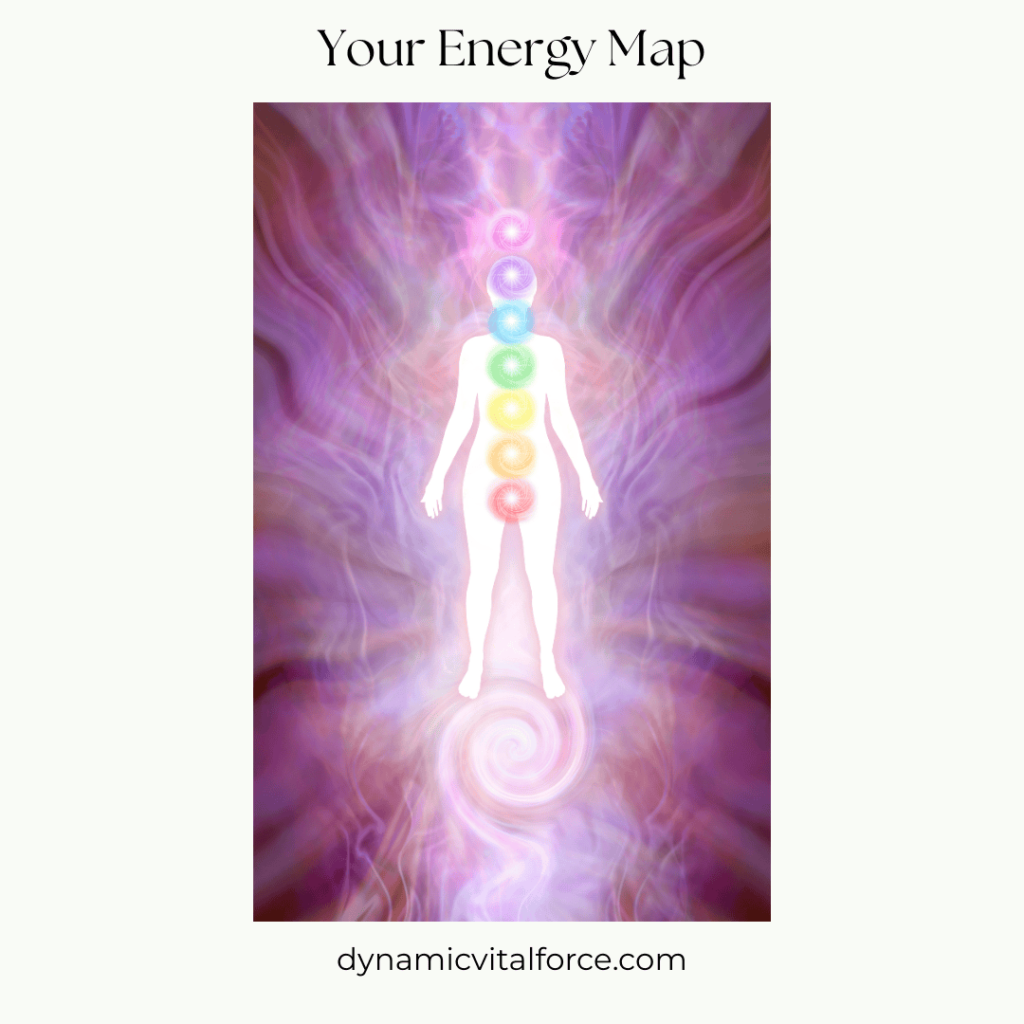
Think of your body not just as bones, muscles, and organs, but as a network of energy pathways, a bit like the electrical wiring in a house.
Just like a house needs electricity to power lights and appliances, your body needs energy to feel good, think clearly, digest food, and cope with stress.
This “energy” flows through specific points in your body called chakras. You can think of chakras as energy hubs or stations—places where energy can get stored, blocked, or released.
What Are Chakras?
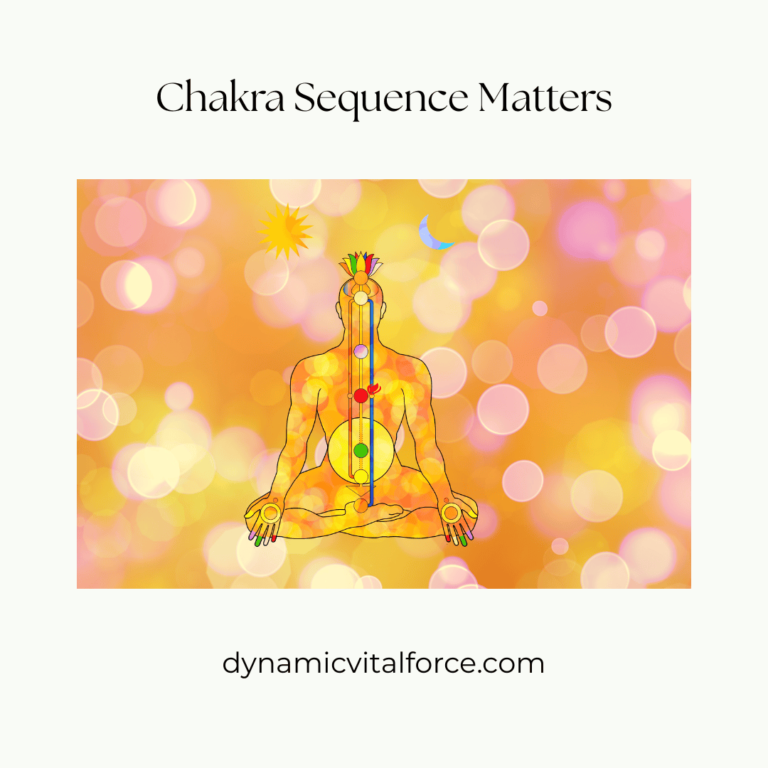
Chakras are spinning wheels of energy located along the spine, each corresponding to different aspects of your mind, body, and spirit.
Imagine your body not just as flesh and bones, but as a vibrant network of energy flowing like electricity through a city.
Just as a city has power stations to keep the lights on and traffic moving, your body has chakras—energy hubs that maintain balance, health, and vitality.
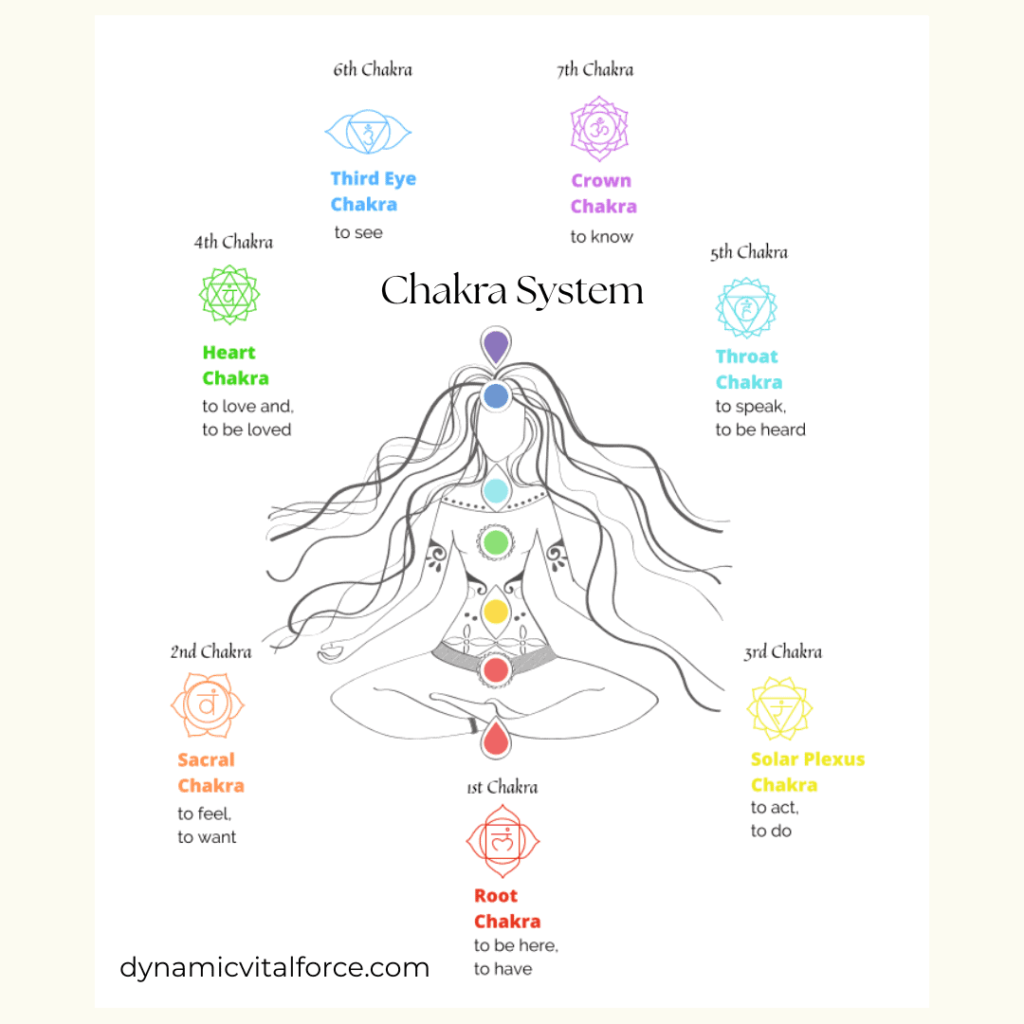
There are seven main chakras, each with its own role, influence, and unique connection to your physical, emotional, and mental well-being.
Think of them as different departments in a company, each responsible for a vital function. If one department underperforms, it affects the entire system.
When they’re blocked or out of alignment, you may notice emotional disturbances, physical ailments, or a sense of being “stuck,” just like we discussed in the blocked energy article.
There are seven main chakras in the body:
1. Root Chakra (Muladhara) – Your Foundation
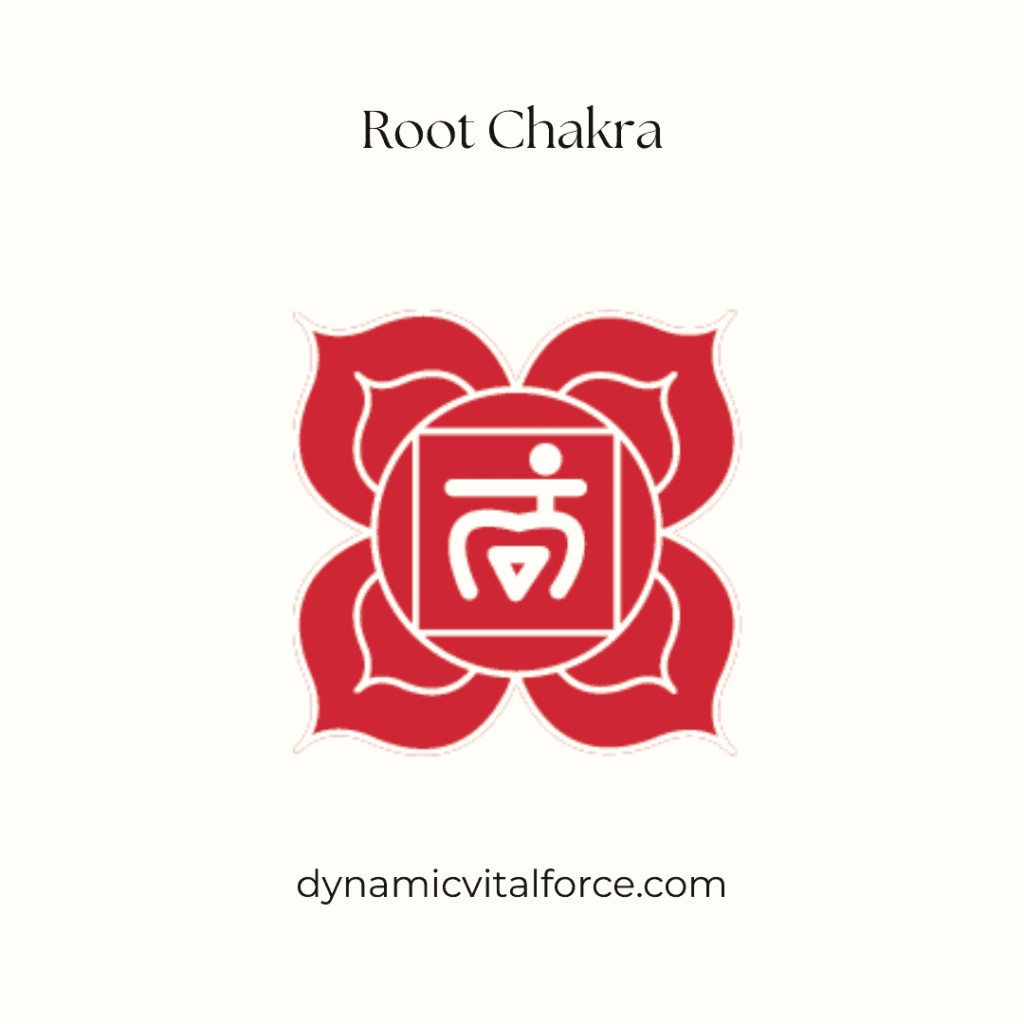
Location: Base of the spine
Role: Safety, security, grounding
What happens if blocked: Anxiety, restlessness, or constant worry about money, home, or stability.
Physical connection: Legs, feet, adrenal glands
Example: If your root chakra is low, you might feel insecure about your job, constantly stressed about finances, or unable to relax.
The root chakra is your foundation—the base upon which all other energy centers are built.
When it’s balanced, you feel safe, supported, and connected to the physical world.
Activities like walking barefoot on grass, grounding exercises, and focusing on stability in daily life can restore energy flow here.
2. Sacral Chakra (Svadhisthana) – Creativity and Emotion
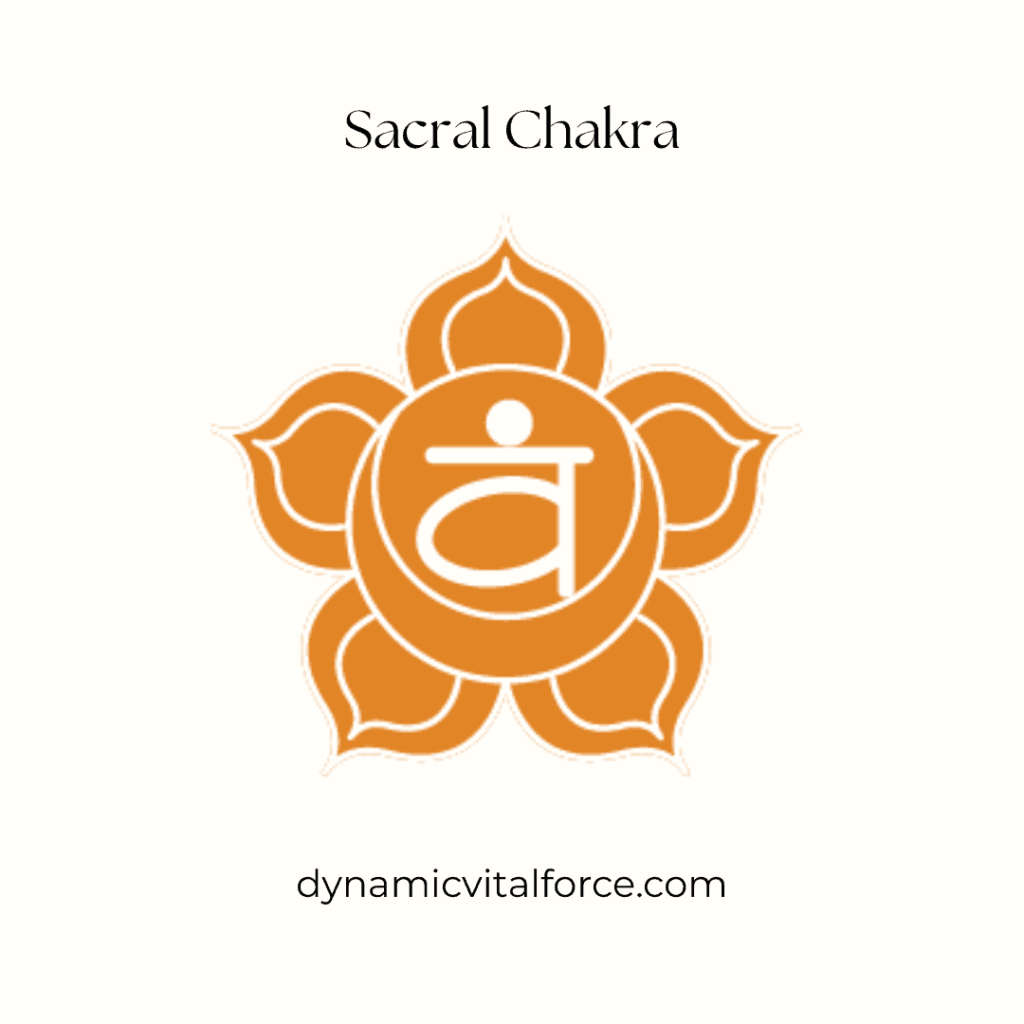
Location: Lower belly, just below the navel
Role: Emotions, creativity, pleasure, relationships
What happens if blocked: Feeling stuck, emotionally numb, or creatively drained.
Physical connection: Reproductive organs, kidneys, lower abdomen
Example: If blocked, you may struggle to enjoy hobbies, feel disconnected from your partner, or suppress your emotions.
The sacral chakra governs how you experience joy, desire, and connection.
Creative expression—through art, music, dance, or writing—can help unblock this energy hub.
Emotional awareness, journaling, or spending time enjoying sensory pleasures also restores balance.
3. Solar Plexus Chakra (Manipura) – Personal Power
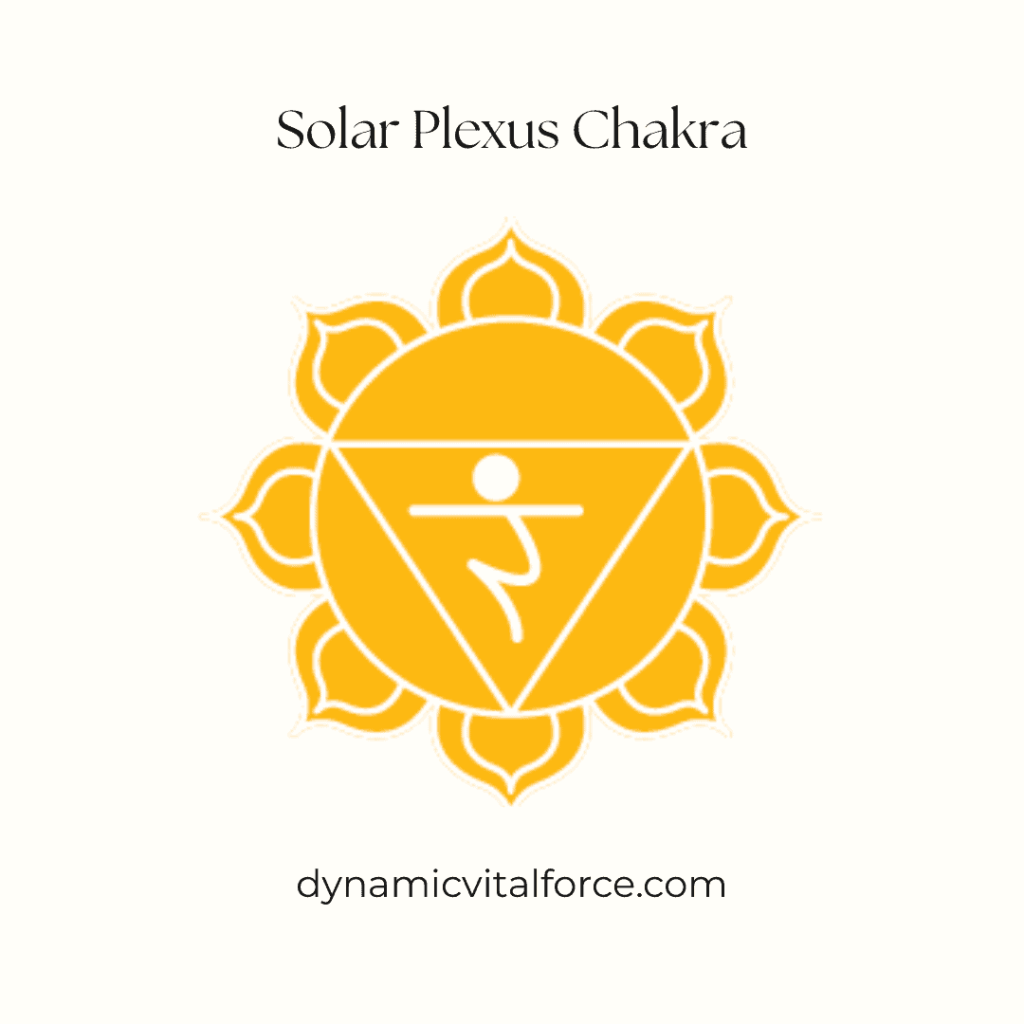
Location: Upper belly, above the navel
Role: Confidence, personal power, decision-making
What happens if blocked: Feeling powerless, indecisive, or lacking self-esteem.
Physical connection: Digestive organs, pancreas, liver
Example: You may avoid taking responsibility, struggle to set boundaries, or feel unsure of yourself at work or in relationships.
The solar plexus chakra fuels confidence and motivation.
Practices like affirmations, goal setting, and mindful self-discipline help to activate this energy center. Yoga poses like twists and core-strengthening exercises also stimulate energy flow here.
4. Heart Chakra (Anahata) – Love and Compassion
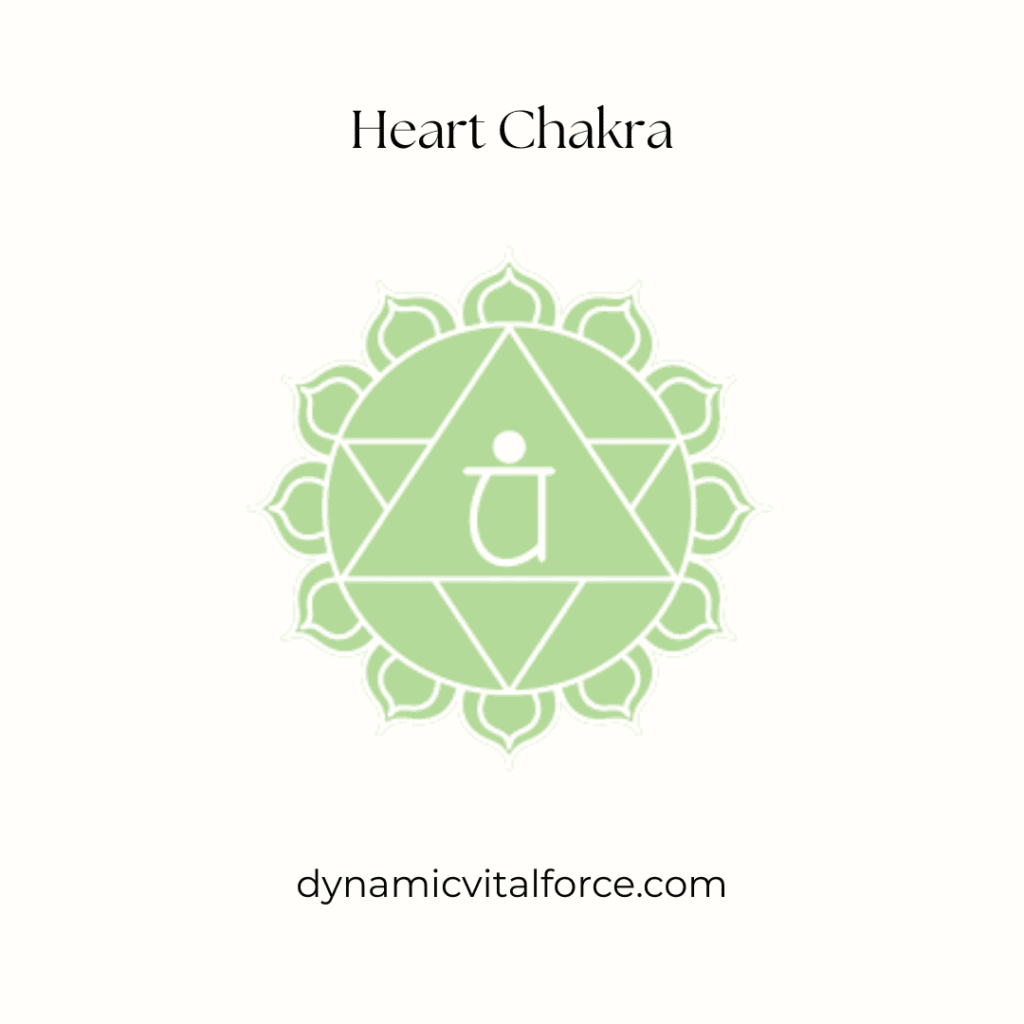
Location: Center of chest
Role: Emotional balance, empathy, relationships
What happens if blocked: Difficulty forming emotional bonds, holding grudges, or feeling lonely.
Physical connection: Heart, lungs, thymus gland
Example: Trouble connecting with loved ones or feeling emotionally “closed off” often signals a heart chakra imbalance.
The heart chakra is the bridge between your lower physical energy and higher spiritual energy.
Practices that cultivate love and gratitude, like meditation, acts of kindness, or consciously expressing appreciation, can clear blockages here.
5. Throat Chakra (Vishuddha) – Communication
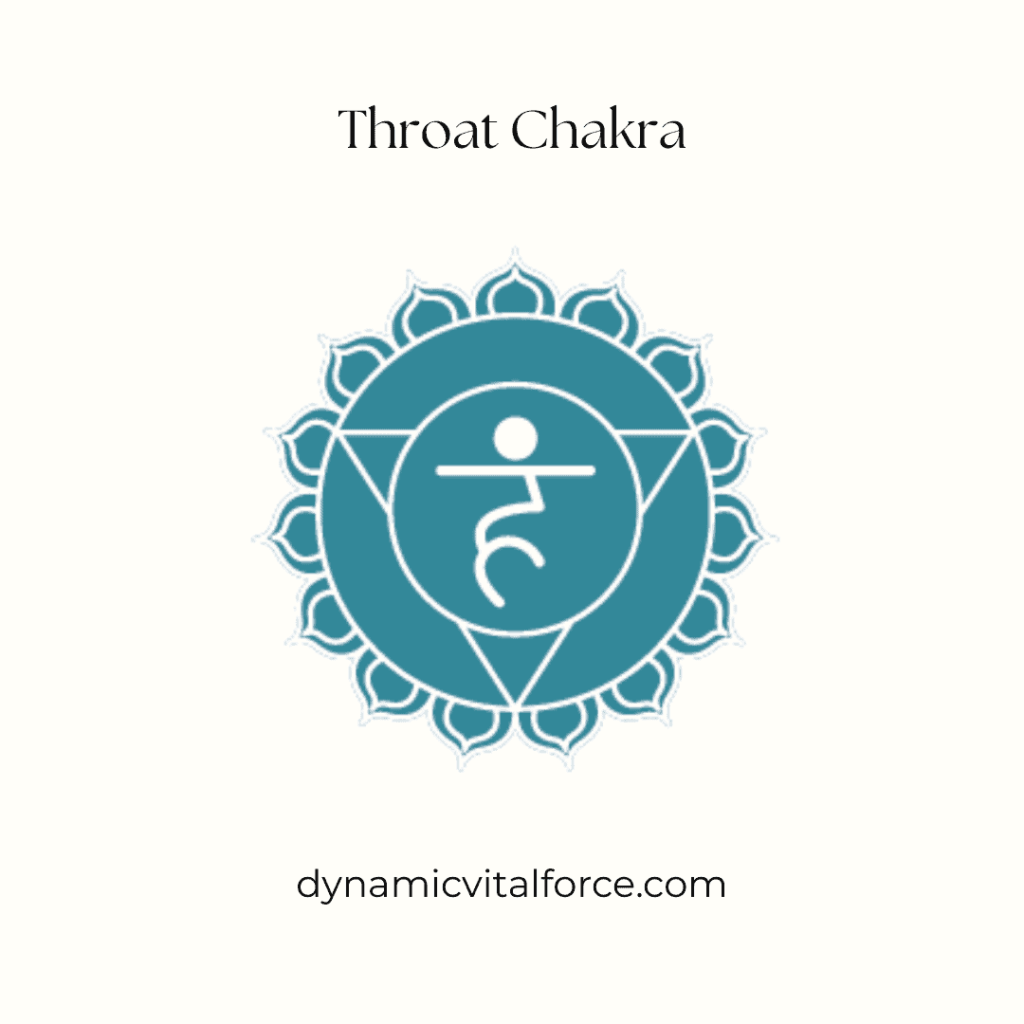
Location: Throat area
Role: Expression, communication, truth
What happens if blocked: Difficulty speaking your mind, feeling unheard, or lying to please others.
Physical connection: Throat, thyroid, vocal cords
Example: If blocked, you may avoid speaking up at work or in relationships, or feel frustrated when others don’t understand you.
The throat chakra empowers self-expression.
Activities like journaling, singing, speaking your truth, or even chanting can strengthen this energy center.
6. Third Eye Chakra (Ajna) – Intuition and Clarity
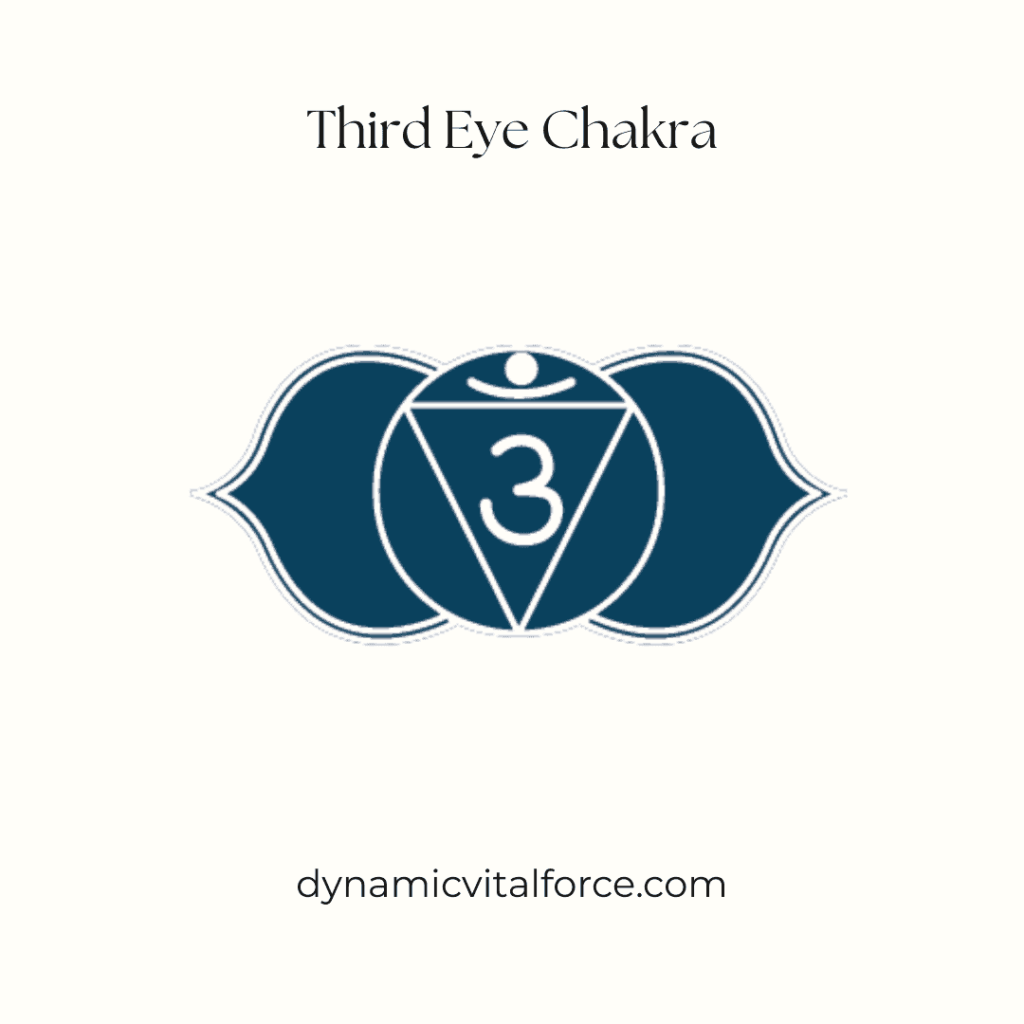
Location: Forehead, between the eyes
Role: Insight, intuition, foresight
What happens if blocked: Confusion, indecisiveness, or difficulty seeing the bigger picture.
Physical connection: Brain, eyes, pituitary gland
Example: Feeling mentally foggy, making repeated poor decisions, or ignoring gut instincts suggests a blocked third eye chakra.
The third eye chakra governs inner guidance. Meditation, visualization, mindfulness, and reflective practices help you tune in to your intuition and enhance clarity.
7. Crown Chakra (Sahasrara) – Connection and Purpose
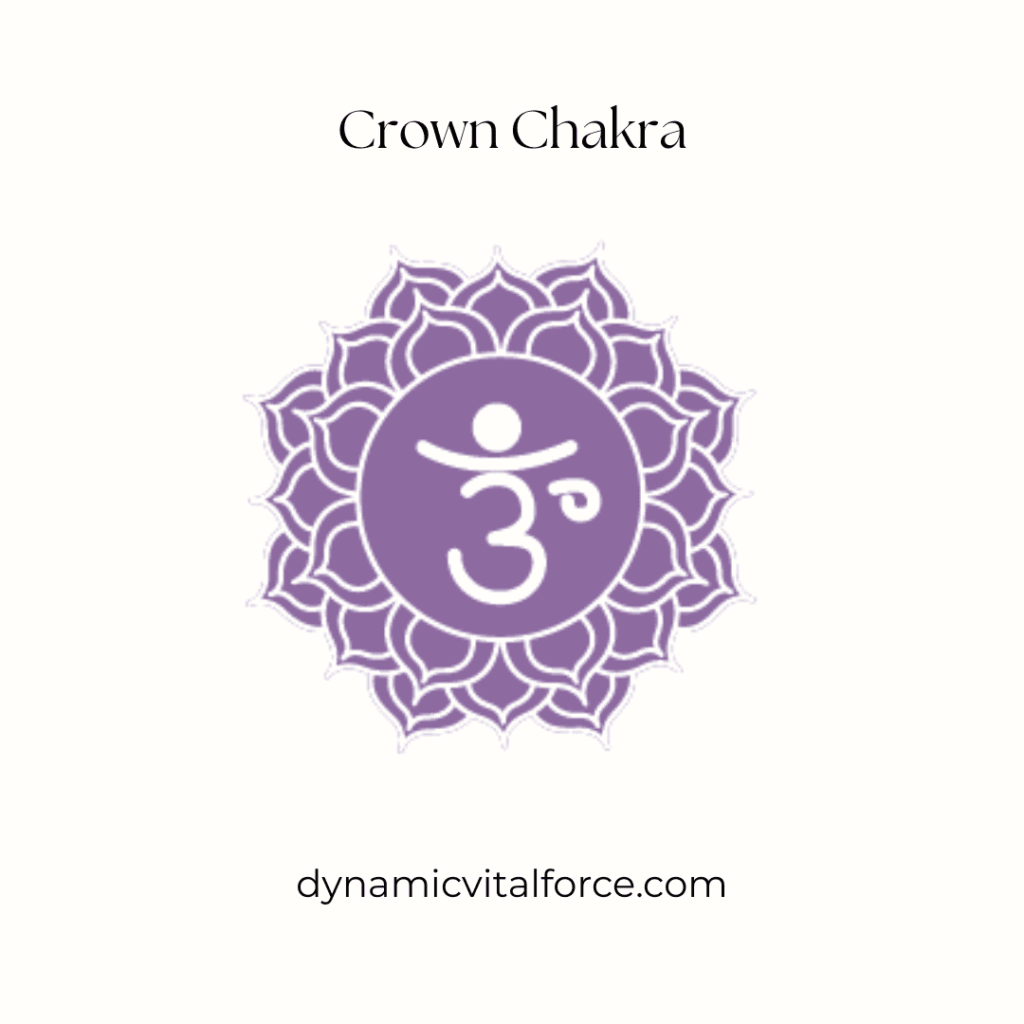
Location: Top of the head
Role: Spiritual connection, inspiration, higher consciousness
What happens if blocked: Feeling disconnected, purposeless, or spiritually empty.
Physical connection: Brain, nervous system, pineal gland
Example: If blocked, you may feel isolated, uninspired, or unable to find meaning in life.
The crown chakra connects you to higher awareness and universal consciousness. Practices like meditation, prayer, mindfulness, and moments of stillness cultivate connection and alignment with your life purpose.
Why Understanding Chakras Matters
Your chakras are more than spiritual concepts—they’re energy hubs that influence your physical health, emotions, and mental clarity. When one chakra is blocked, it can affect other areas of your life, much like one underperforming department affects an entire company.
By becoming aware of these energy hubs, you can identify imbalances early, restore energy flow, and prevent physical or emotional issues from escalating.
Next Steps– How to Read Your Energy Map
Understanding your chakras is just the beginning.
By paying attention to where you feel stuck, tired, or off-balance, you’re actually “reading” your energy map. For example:
- Constant stomach tension → solar plexus chakra
- Neck stiffness → throat chakra
- Feeling lonely or closed off → heart chakra
Learn to read 7 signs of blocked chakras in this article- The 7 Signs Your Energy Body is Blocked (And Why Traditional Medicine Misses Them)
Regular self-assessment and energy practices can keep these hubs balanced, giving you more confidence, clarity, emotional resilience, and spiritual connection.
With awareness, you can start using simple energy practices—like breathing exercises, meditation, or gentle movement—to unclog those blockages and restore flow.
Take a simple Chakra test for FREE to do your energy assessment here today!
Later, we’ll explore each chakra in detail, with practical exercises to restore and maintain your energy flow.